Study Medicine in Hungary in English 🇭🇺
Hungary is one of Europe's most established destinations for international students who want to study Medicine, Dentistry, Pharmacy or Veterinary Medicine in English. The main English-taught options are in Budapest, Debrecen, Pécs and Szeged, and most applicants should expect Biology, Chemistry and academic English in the entrance process.
Use the summary below to compare universities, programs, entrance exams, application steps and costs before choosing where to apply.
Quick Facts
Hungary Medical University Entrance Exams
Most English-taught medical, dental, pharmacy and veterinary applicants in Hungary should prepare for a science-based entrance exam. Biology and Chemistry appear most often, with English, Biomedical English or an oral interview depending on the university.
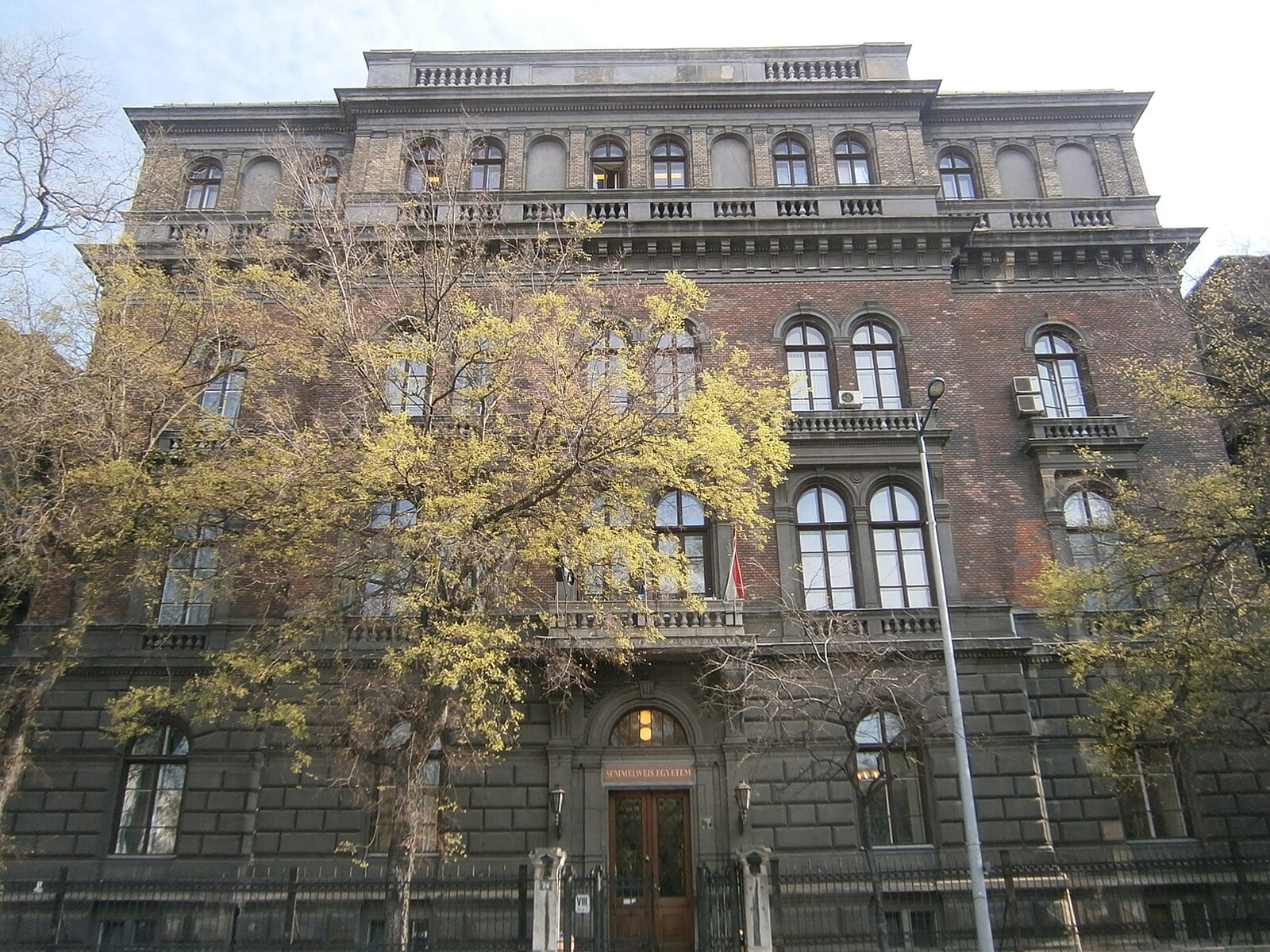

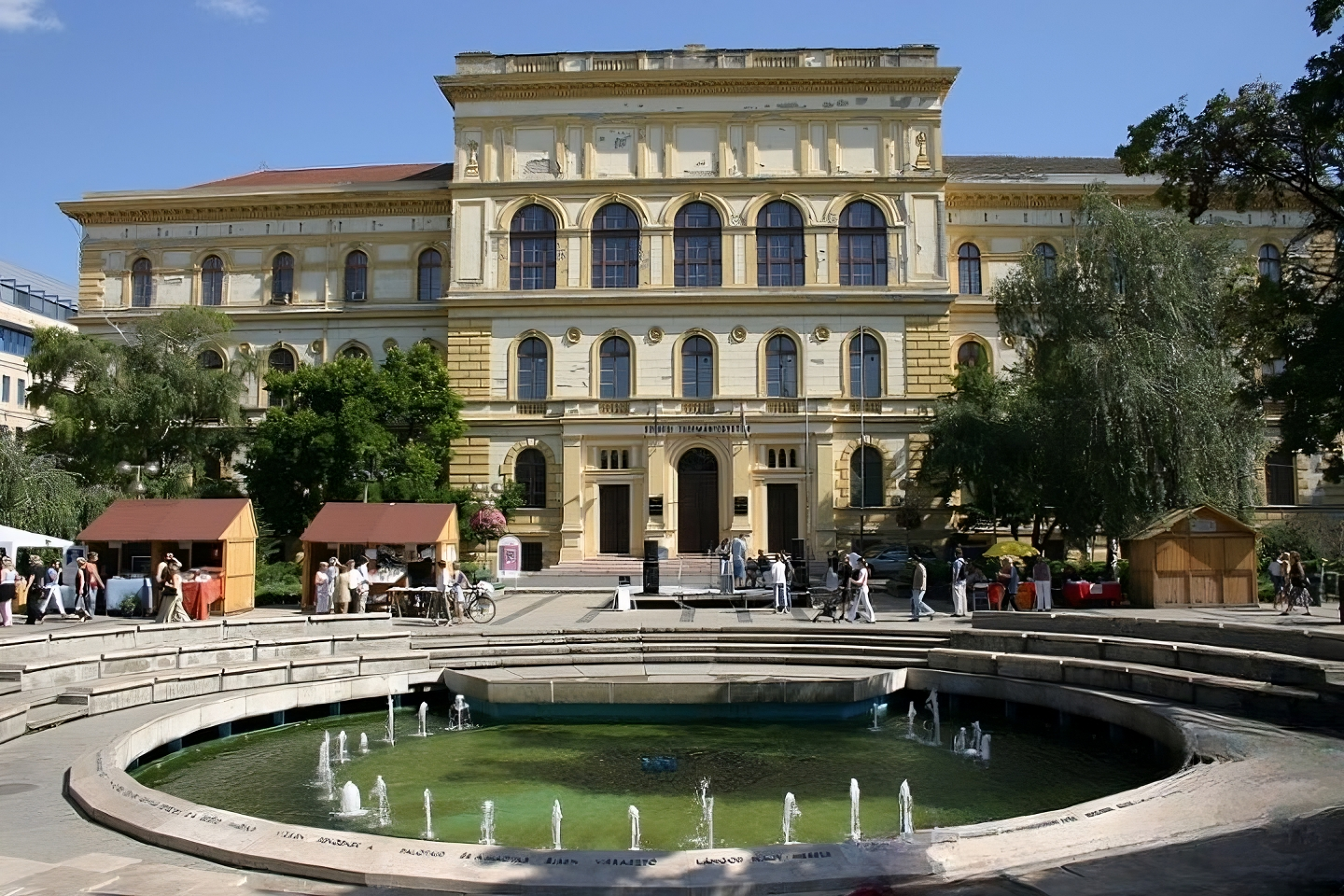

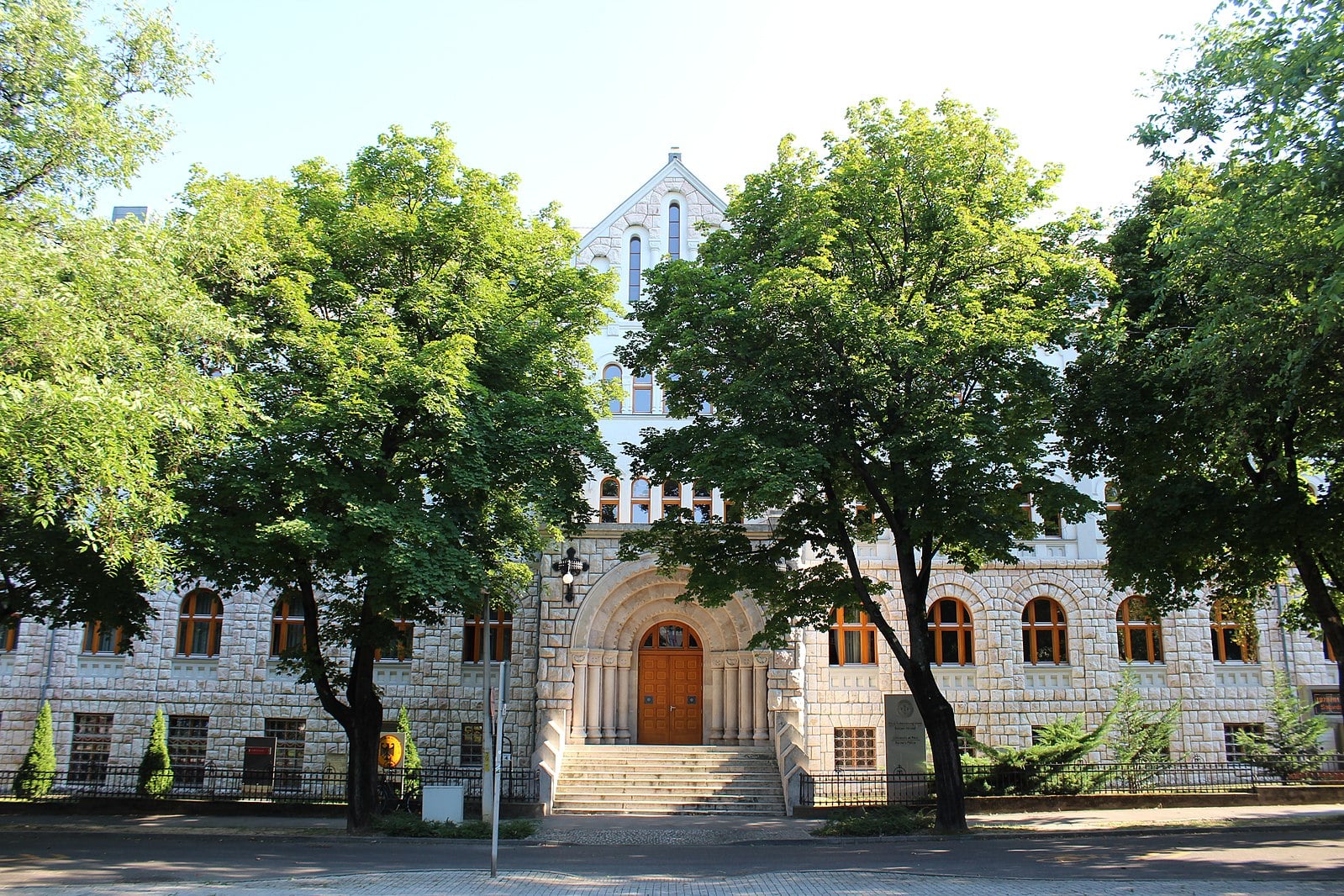

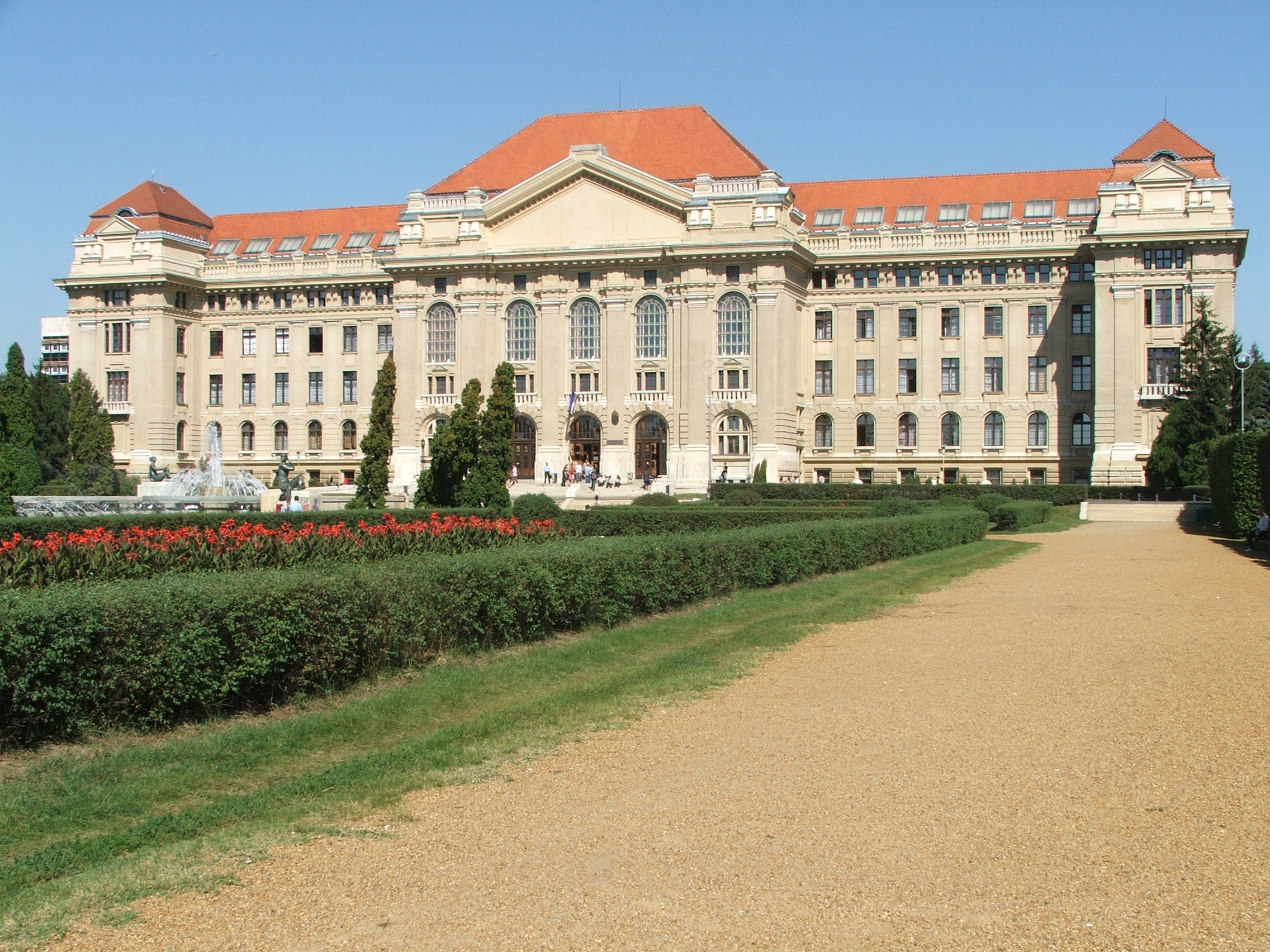


The best choice usually depends on your program, city preference, exam format, budget and where you may want to work after graduation. Budapest usually offers the biggest city environment, while Debrecen, Pécs and Szeged can be attractive for students who want a smaller university city and lower day-to-day costs.
Why Study Medicine in Hungary?
Hungary combines long-running medical faculties, English-taught programs and a central European study environment. It is not a shortcut: admission is competitive, programs are demanding, and licensing after graduation depends on the country where you plan to work.
Key advantages:
- Established English-taught health-science programs in Medicine, Dentistry, Pharmacy and Veterinary Medicine
- Entrance-exam-based admissions at the major medical universities
- Recognized EU study destination, with licensing still checked country by country
- Four main student cities: Budapest, Debrecen, Pécs and Szeged
- Lower living costs than many Western European capitals, especially outside Budapest
- Good fit for science-focused applicants who are ready to prepare Biology, Chemistry and English seriously
Hungarian Medical Universities, Programs and Tuition
The table below gives a quick overview from official university sources checked in May 2026. Fees are shown as the universities publish them. Universities can change fees and entrance rules per intake, so applicants should always verify the current official page before submitting an application or payment.
| University | City | English-taught programs | Published tuition | Admission model |
|---|---|---|---|---|
| Semmelweis University | Budapest | Medicine, Dentistry, Pharmaceutical Sciences | Medicine/Dentistry: USD 20,900/year; Pharmacy: USD 13,240/year | Biology, Chemistry, General English and Biomedical English written tests plus oral interview |
| University of Debrecen | Debrecen | Medicine, Dentistry, Pharmacy | Medicine: USD 16,900/year; Dentistry: USD 17,500/year; Pharmacy: USD 8,000/year | Subject entrance testing and oral exam/interview, depending on program |
| University of Pécs | Pécs | Medicine, Dentistry, Pharmacy | Medicine: USD 16,750/year; Dentistry: USD 17,350/year; Pharmacy: EUR 8,400/year | Entrance exam performance; Biology, Chemistry, General English, Medical English and oral interview |
| University of Szeged | Szeged | Medicine, Dentistry, Pharmacy | Medicine: EUR 15,800/year; Dentistry: EUR 15,200-15,600/year; Pharmacy: EUR 10,000-10,420/year | Faculty-specific entrance or evaluation exam; confirm the current format for each program |
| University of Veterinary Medicine Budapest | Budapest | Veterinary Medicine | Veterinary Medicine: EUR 12,480/year | Written Biology, Chemistry and English entrance exam plus oral interview |
Sources: Semmelweis admission rules, Debrecen tuition and entrance fees, Pécs medical tuition fees, Szeged health science admission bulletin, UVMB programme details, UVMB entrance exams, UVMB fees.
Entry Requirements to Study Medicine in Hungary
Applicants usually need completed secondary education that qualifies them for university entry in their home country. The exact document list depends on the university, but it commonly includes a school-leaving certificate, transcripts, passport or ID, photo, CV or motivation material, medical certificate and translated or legalized documents where required.
The academic selection is usually built around an entrance exam or evaluation. Biology and Chemistry are the core subjects. Some universities also test General English, Medical English, Physics, or use an oral interview to assess motivation and communication.
This is why Hungary preparation should not only be generic high-school revision. Students need to understand the likely entrance-exam format, practise under time pressure and learn medical/scientific English vocabulary before the exam window.
How Medimentor Helps With Hungary Applications
Medimentor helps Hungary applicants prepare for Biology, Chemistry and English entrance exams, plus university choice, timelines and application steps. We do not promise guaranteed admission. The goal is to help you prepare better, choose more clearly and avoid preventable application mistakes.

Application Process and Student Visa
Applications are submitted through each university's own admissions system or official application flow. A typical application usually means shortlisting programs, preparing documents, paying the application or admission procedure fee, booking an entrance exam, completing the written and/or oral assessment, then accepting the offer and paying the required deposit or first tuition instalment.
Non-EU/EEA students normally need a long-stay study visa or residence process for Hungary after acceptance. EU/EEA students usually do not need a visa, but still need to complete local registration/residence administration after arrival. Visa and residence steps depend on nationality, so they should be checked against the official Hungarian consular and immigration guidance for the intake year.
Tuition Fees and Living Costs in Hungary
Tuition is the largest cost and should be checked against the current official university page before payment. Do not rely on old EUR 7,500-9,000 claims for Medicine or Dentistry in Hungary. Official tuition figures for major English-taught medical programs are generally much higher, especially for Medicine and Dentistry.
For living costs, Budapest is usually the most expensive option. Debrecen, Pécs and Szeged are often easier on rent and daily spending. As a practical monthly estimate, students should budget roughly EUR 700-1,000/month including accommodation in many Hungarian student cities, with Budapest and private housing pushing costs higher.
Universities may list extra costs separately: application fee, entrance exam fee, registration or enrollment fee, insurance, textbooks, materials, document translations, legalization, travel and initial housing deposits.
Recognition, Licensing and Careers
Hungarian medical, dental, pharmacy and veterinary degrees are awarded within the EU higher-education system, but graduates still need to follow the licensing rules of the country where they want to practise. For EU mobility, the exact qualification and Annex/listing requirements matter. For the UK, graduates should check the relevant professional regulator's current rules for acceptable qualifications and registration.
After graduation, students may pursue residency or licensing in Hungary, another EU/EEA country, the UK or another destination, but language rules, registration exams, internship/residency steps and document requirements vary widely. The safest advice is to choose the university with your target licensing country in mind from the start.
Student Life in Hungary

Hungary offers a strong student-city mix. Budapest is the largest and most international option, with Semmelweis close to major hospitals and city infrastructure. Debrecen, Pécs and Szeged are smaller university cities with active international student communities, lower daily costs and easier campus-to-city distances.
Student life is shaped by cafés, public transport, sports clubs, international student associations, university events and short travel options across Central Europe. The lifestyle is attractive, but the programs are academically demanding, so the right choice is a city where you can study consistently and live sustainably for five or six years.
Frequently Asked Questions