Study Medicine in Romania in English 🇷🇴
Romania is one of the largest medical-study destinations in the region, with English-taught options across Medicine, Dentistry, Pharmacy and Veterinary Medicine. The country is attractive because there are many universities to compare, but that also means students need to check each university carefully instead of treating Romania as one single application process.
Use the quick facts first, then compare universities, program availability, tuition, admission model, costs and recognition notes before deciding where to apply.
Quick Facts

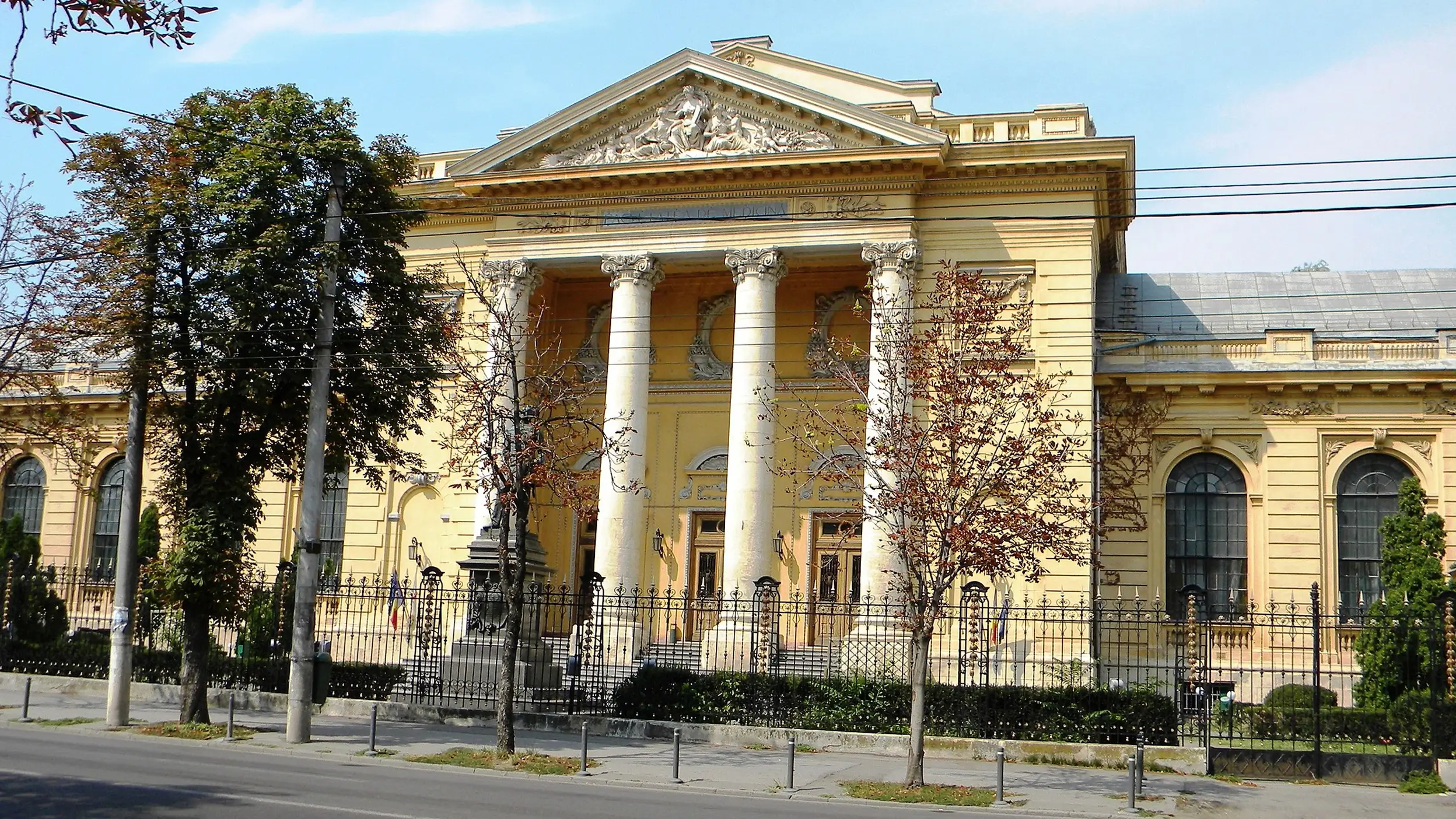







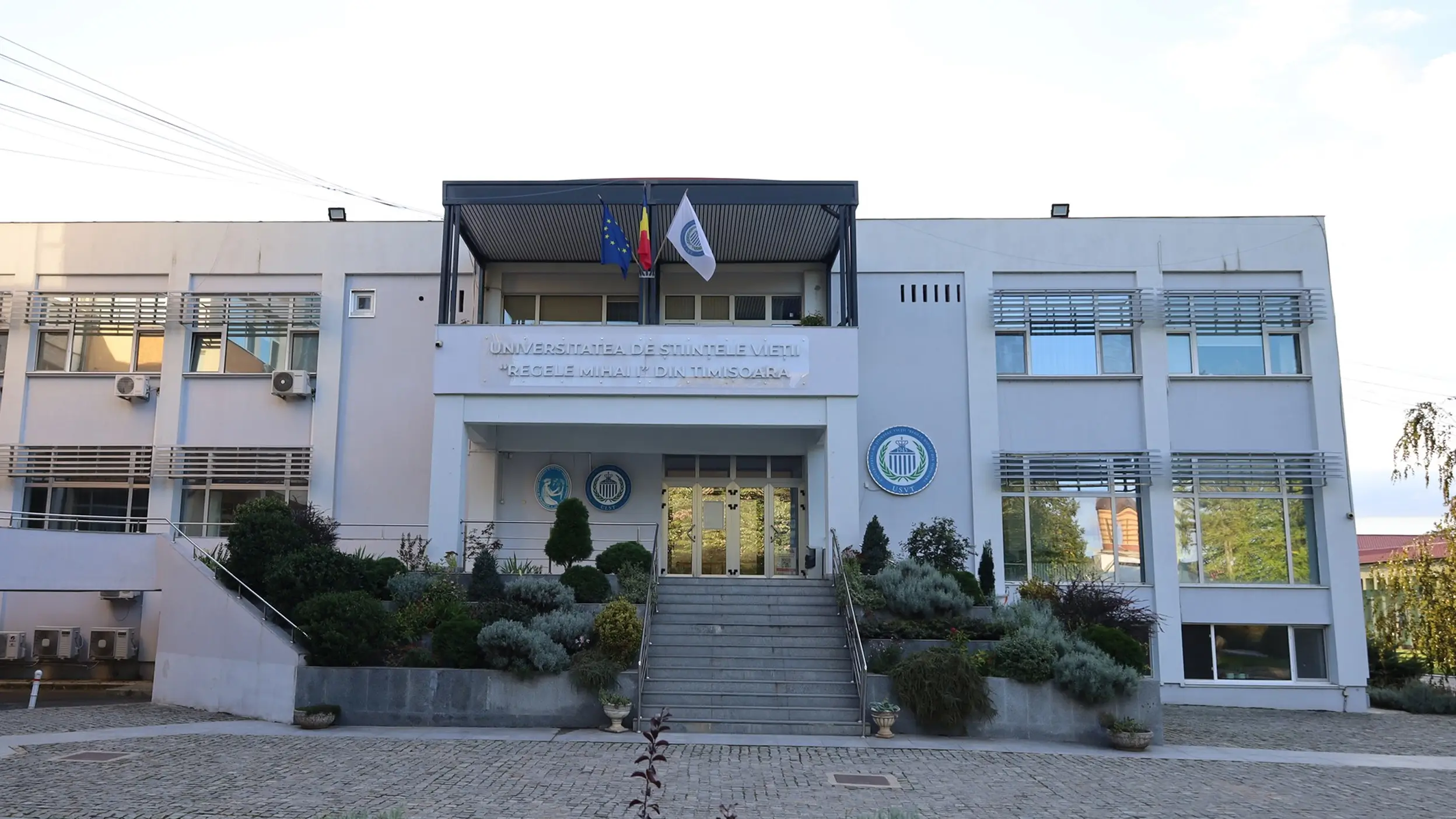
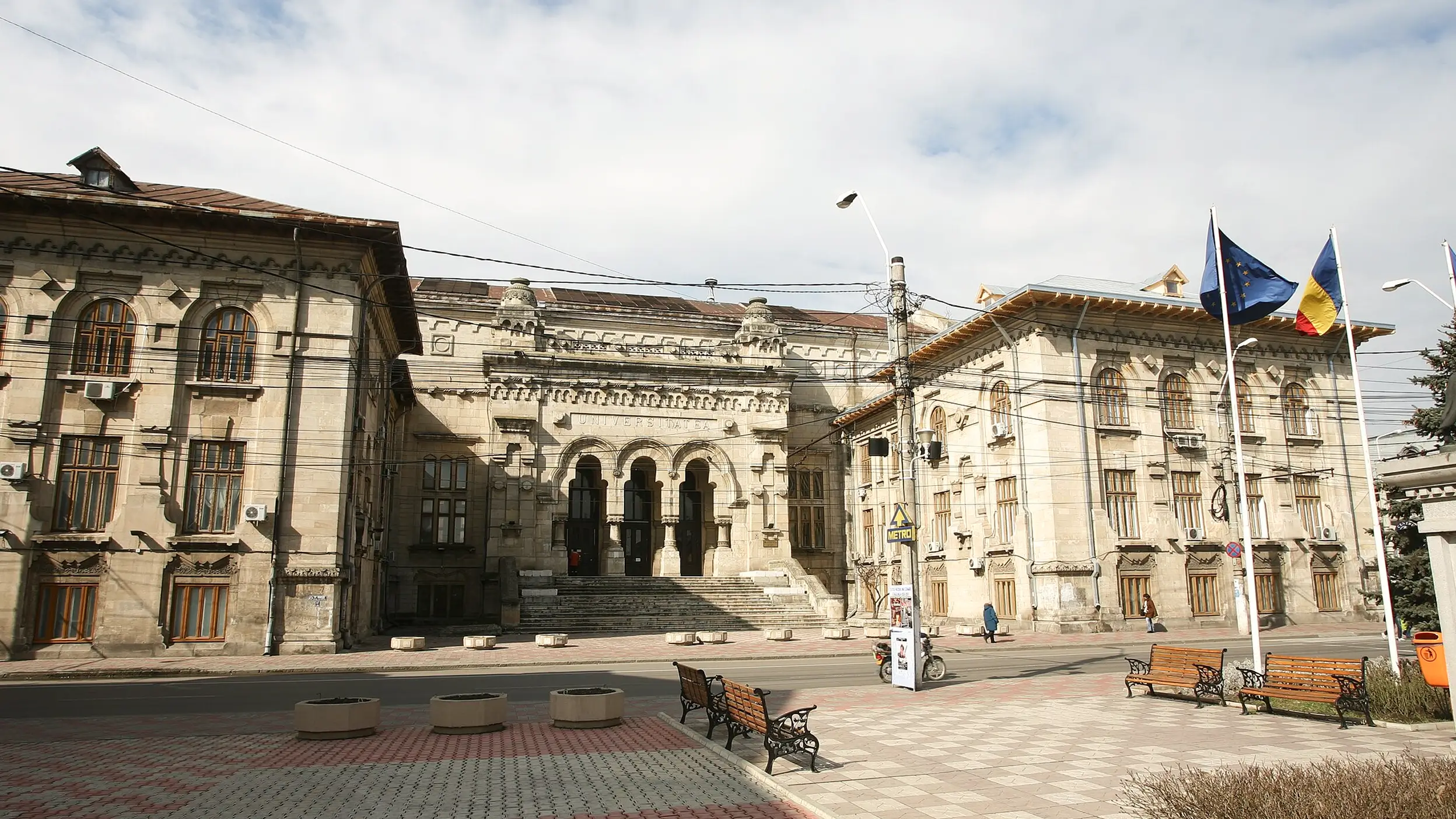

The browser above helps you narrow Romanian universities by program. The comparison table below is the better starting point for admissions and fee checks because Romanian universities use different admission models and fee categories.
Why Study Medicine in Romania?
Romania can be a strong option for students who want a broad choice of medical universities, EU-based study, English-taught programs and lower daily costs than many Western European capitals. The important part is choosing carefully: one university may use a Biology and Chemistry exam, another may evaluate files, and another may add an interview or different fee rules for EU and non-EU applicants.
Key advantages:
- Many English-taught Medicine and Dentistry programs across Bucharest, Cluj-Napoca, Timișoara, Iași and other cities
- Broader health-science options, including Pharmacy and Veterinary Medicine at selected universities
- Different admission models, which can help applicants choose between exam-based, interview-based and file-based options
- EU study destination, with recognition and licensing checked against the country where you want to work later
- Affordable living-cost base compared with many Western European medical-school cities
Romanian Medical Universities, Programs and Tuition
This table is a current overview from official university sources checked in May 2026. Fees are shown in the currencies and categories the universities publish. If a university has not published a clear 2026/27 international fee in the pages checked, the note says so directly rather than guessing.
| University | City | Programs | Published tuition / fee note | Admission model |
|---|---|---|---|---|
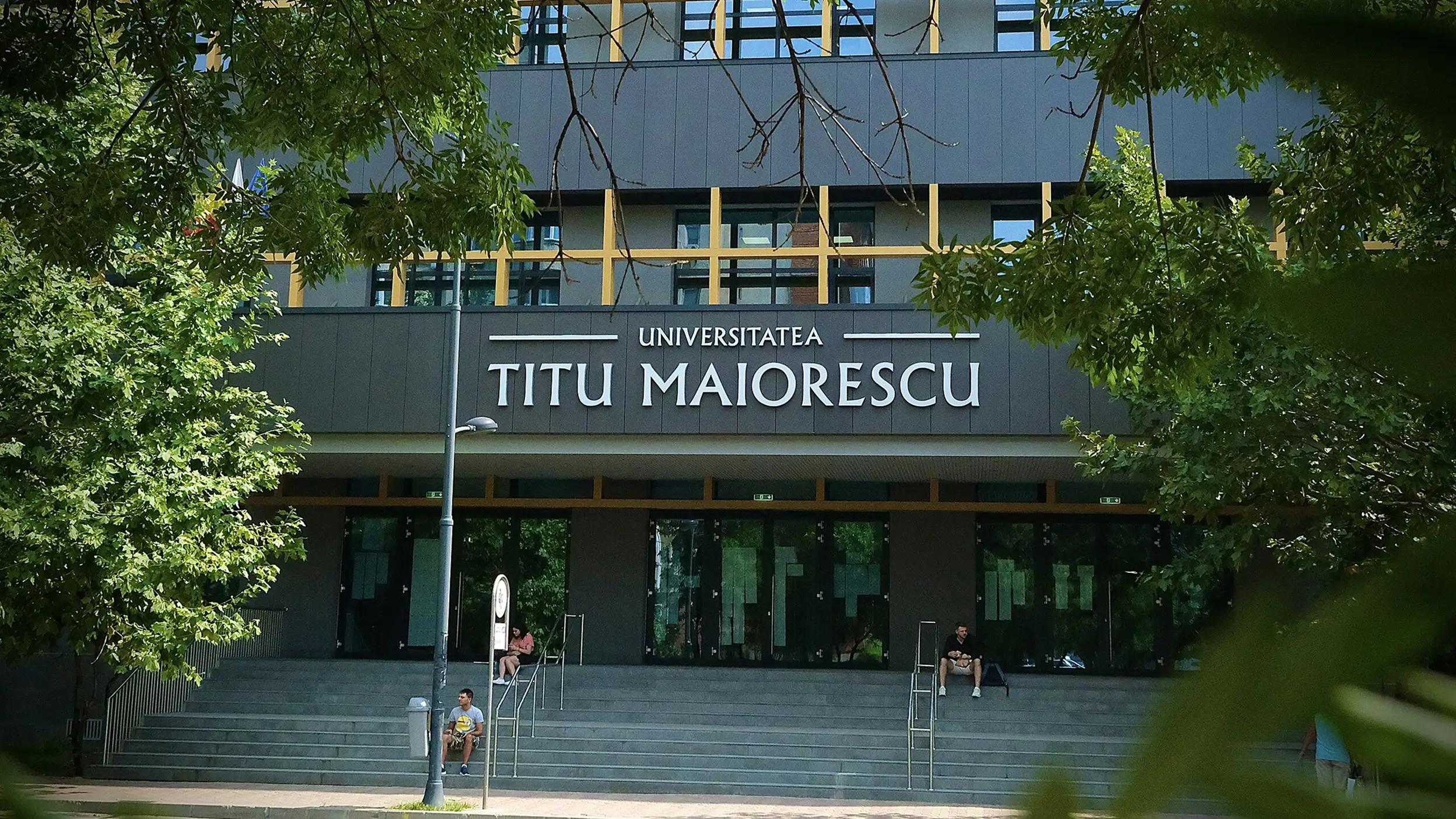
| Titu Maiorescu University | Bucharest | Medicine, Dentistry | 2026/27 English programs: Medicine EUR 13,500/year for EU/EEA/Swiss and EUR 16,500/year for non-EU; Dentistry uses the same published 2026/27 fee level | In-person entrance exam in Bucharest; Biology is compulsory, with Chemistry or Physics as the choice subject |
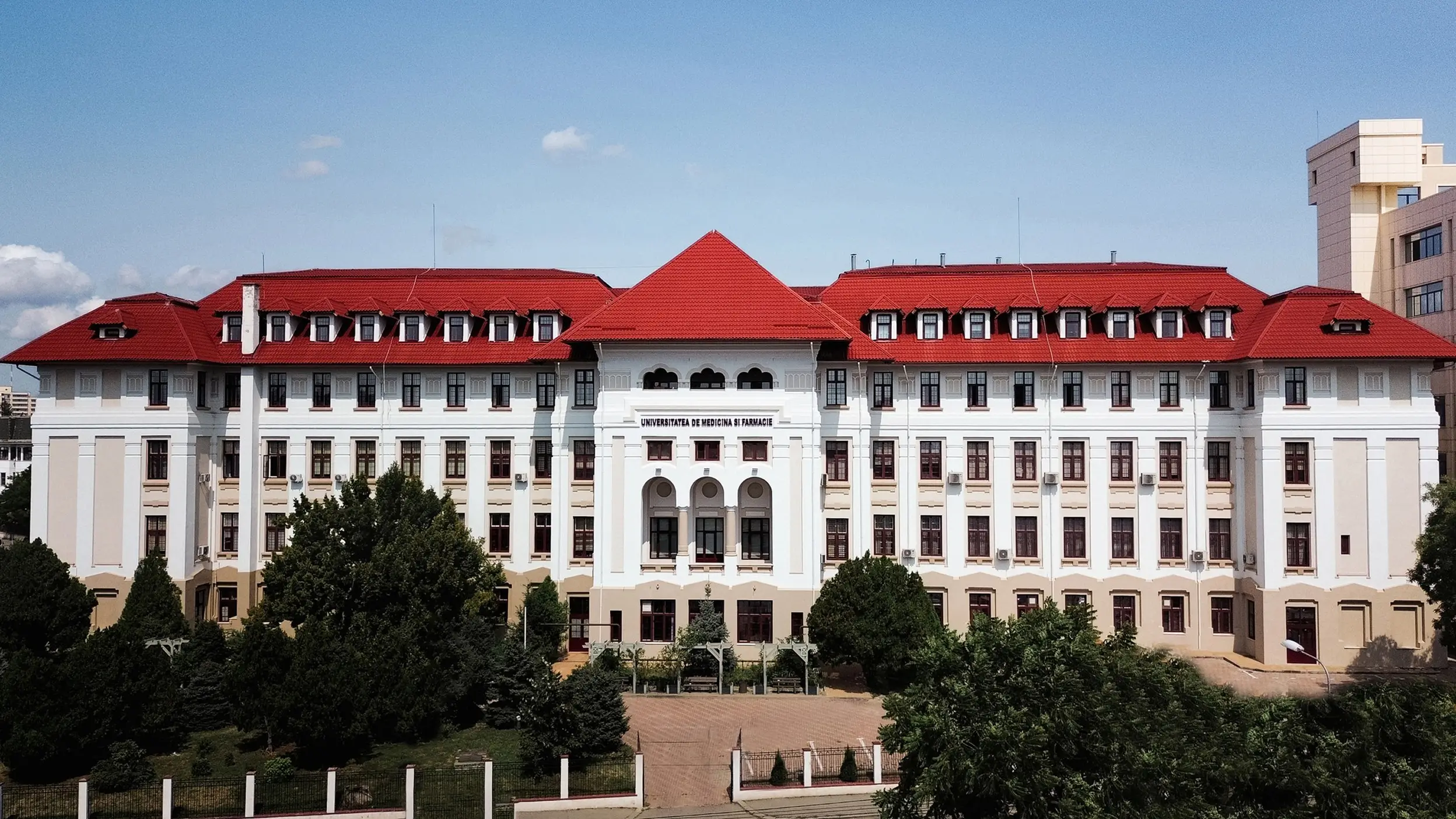
| Carol Davila University of Medicine and Pharmacy | Bucharest | Medicine, Dentistry | 2025/26 published fee: Medicine and Dentistry in English EUR 10,000/year; verify the 2026/27 fee notice before payment | Online application, English-language interview and file evaluation for the English-taught Medicine and Dentistry programs |
| University of Medicine and Pharmacy of Craiova | Craiova | Medicine, Dentistry | 2025/26 English modules: Medicine EUR 8,500/year; Dental Medicine EUR 6,500/year | Admission for the English teaching modules is based on file examination through the university platform |
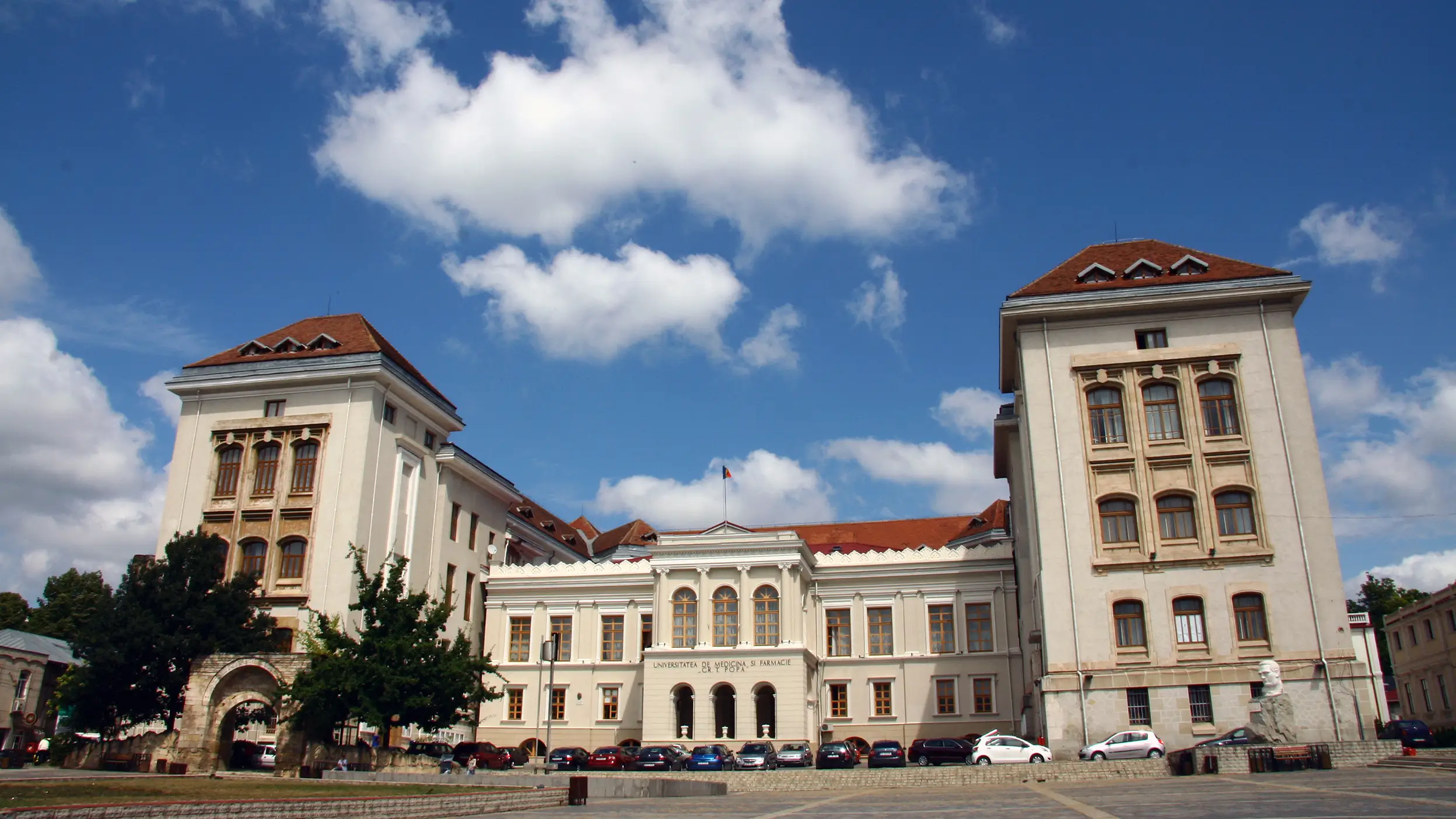
| Grigore T. Popa University of Medicine and Pharmacy | Iași | Medicine, Dentistry, Pharmacy | 2025/26 international fee annex: Medicine EUR 8,500/year; Dental Medicine EUR 8,500/year; Pharmacy EUR 7,500/year | International admission is document-heavy; check the official intake page and fee annex for the current year |
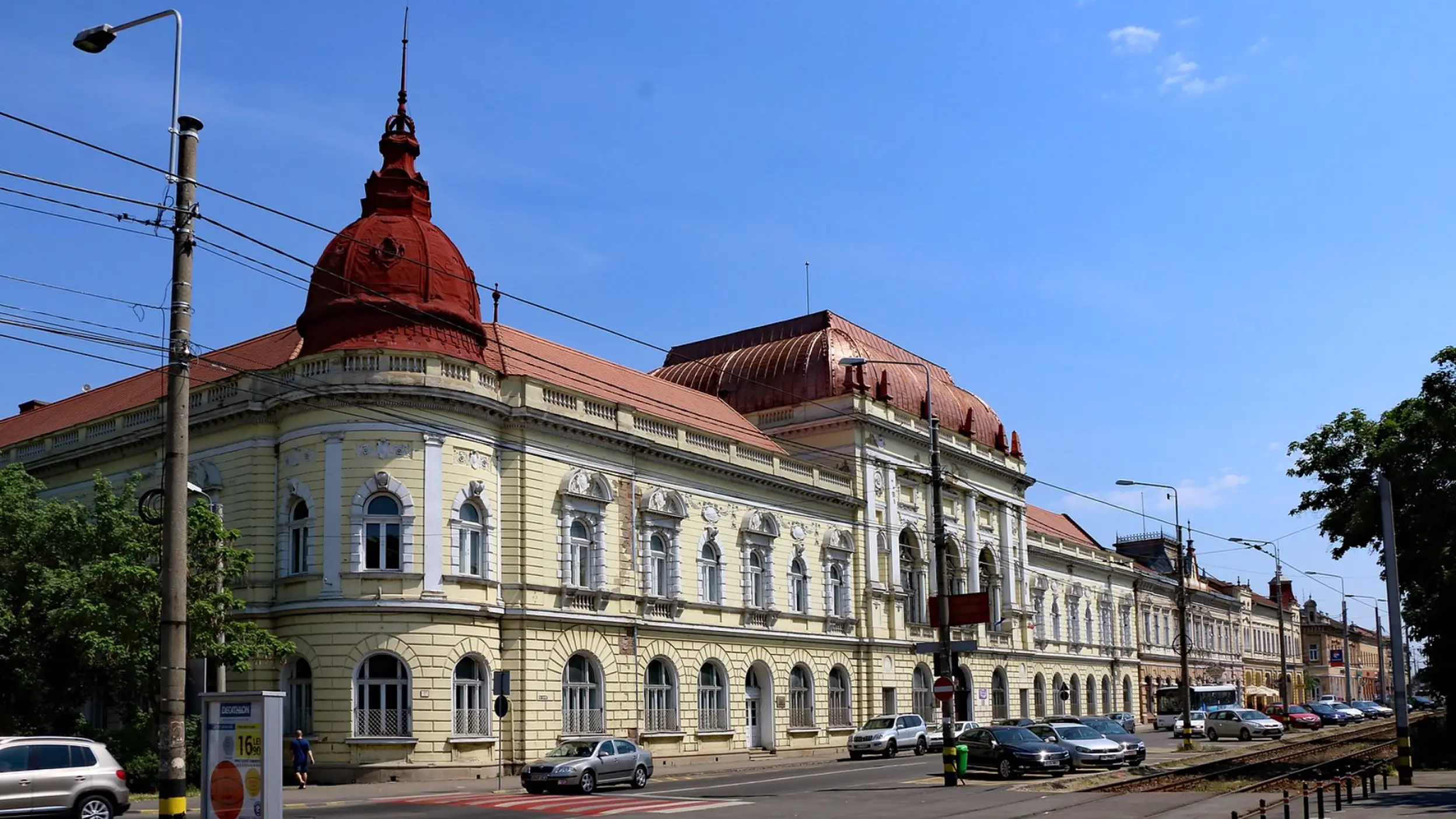
| University of Oradea | Oradea | Medicine | Official 2026 program list confirms Medicine in English; confirm the current international tuition category with Admitere 365 before payment | International applicants use the university admission support process; requirements depend on citizenship and document recognition |
| George Emil Palade UMFST Târgu Mureș | Târgu Mureș | Medicine, Dentistry | 2026/27 tuition: EUR 10,000/year | Continuous 2026 admission session; online application, scheduled online interview and file evaluation |
| Victor Babeș University of Medicine and Pharmacy | Timișoara | Medicine, Dentistry, Pharmacy | 2025/26 Type III fees: Medicine and Dentistry EUR 9,000/year; Pharmacy EUR 8,000/year; verify the 2026/27 fee file before payment | Type III international admission; official pages link the 2026 methodology, seats, timetable, fee file and MCQ materials |
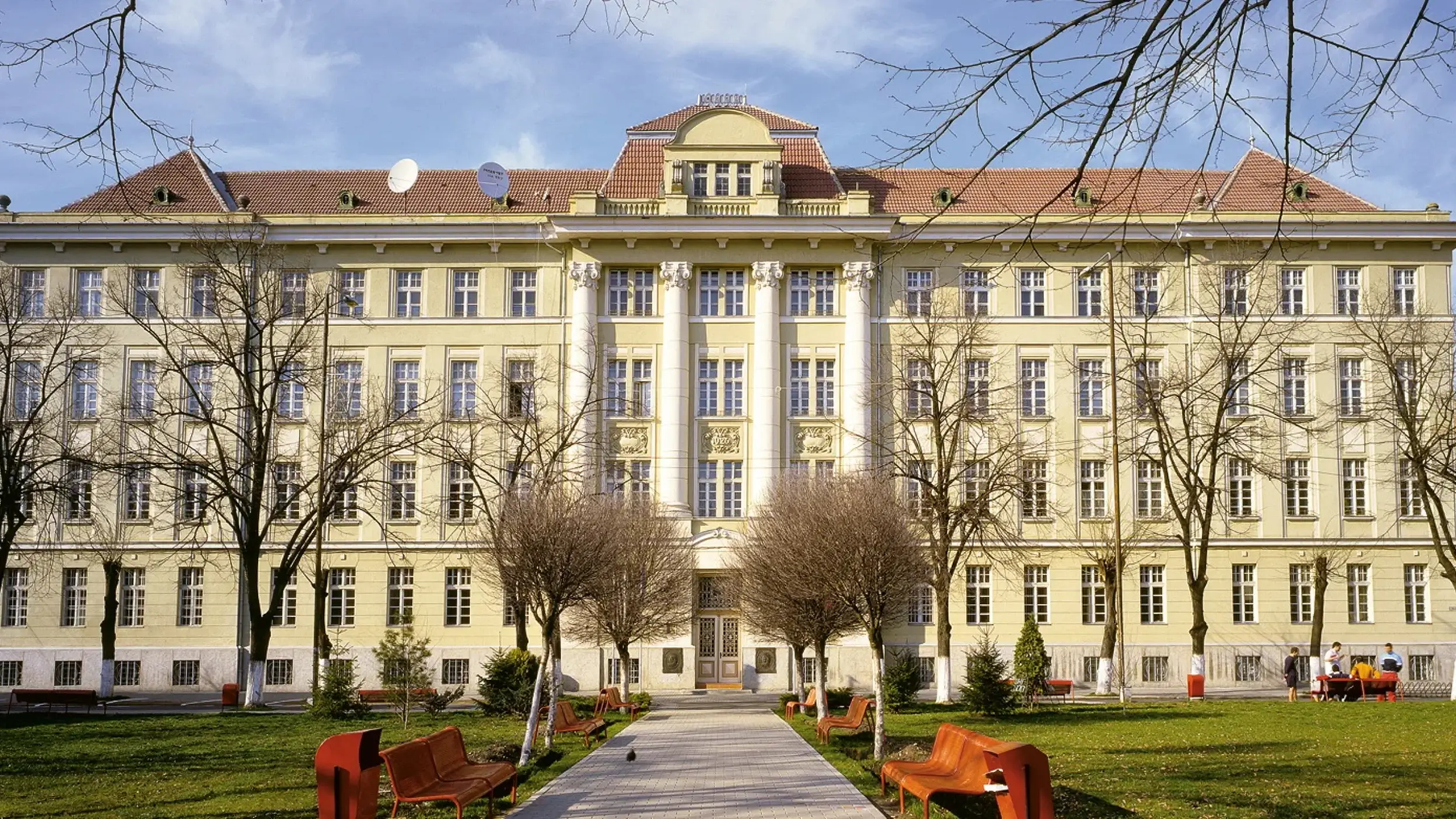
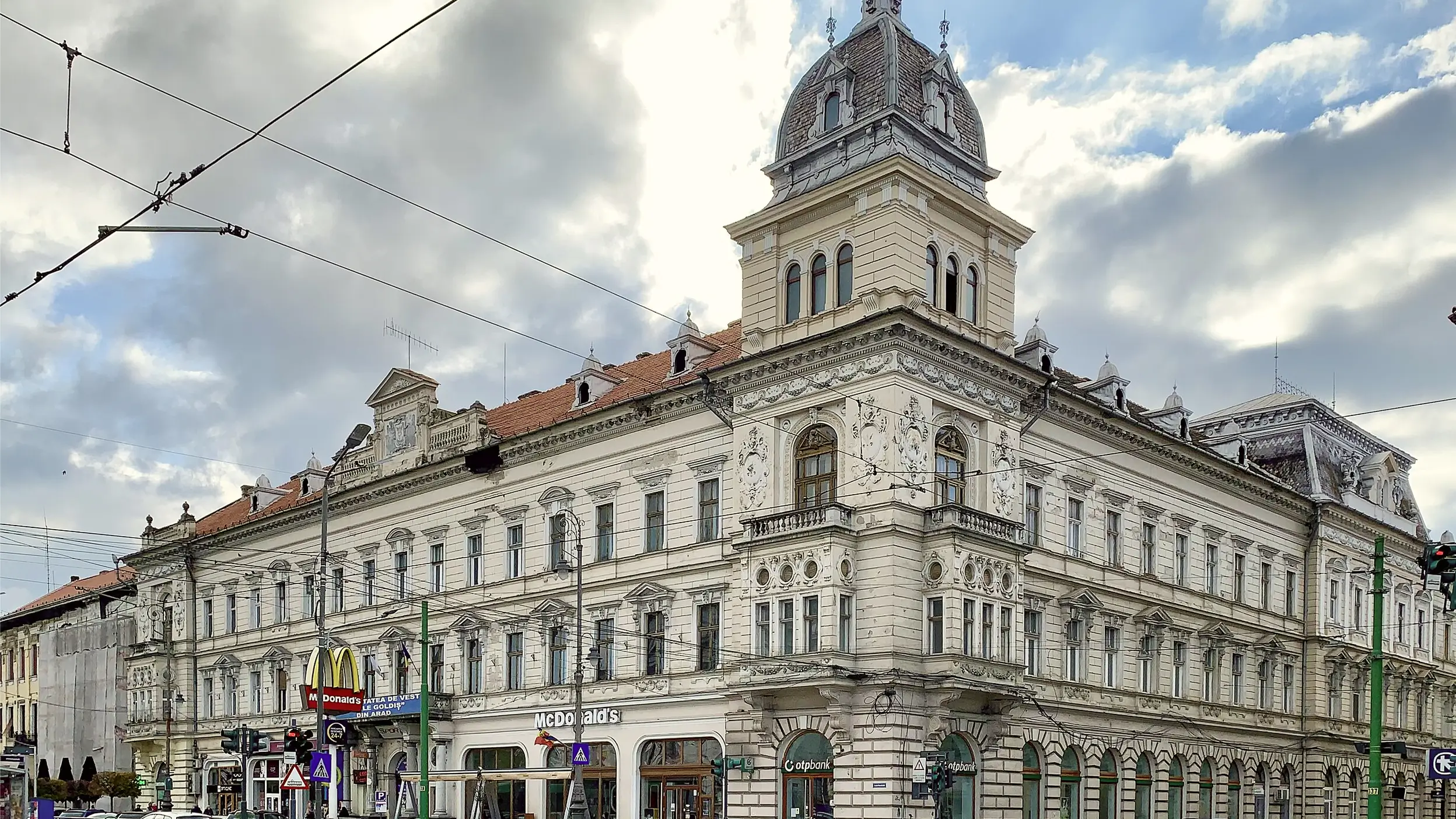
| Vasile Goldiș Western University | Arad | Medicine | 2026/27 Medicine in English: EUR 10,000/year for EU/EEA/Swiss; EUR 11,000/year for non-EU/CPV | Medicine admission uses the faculty admission process; EU applicants sit a Biology and Chemistry MCQ test, while non-EU files are assessed separately |
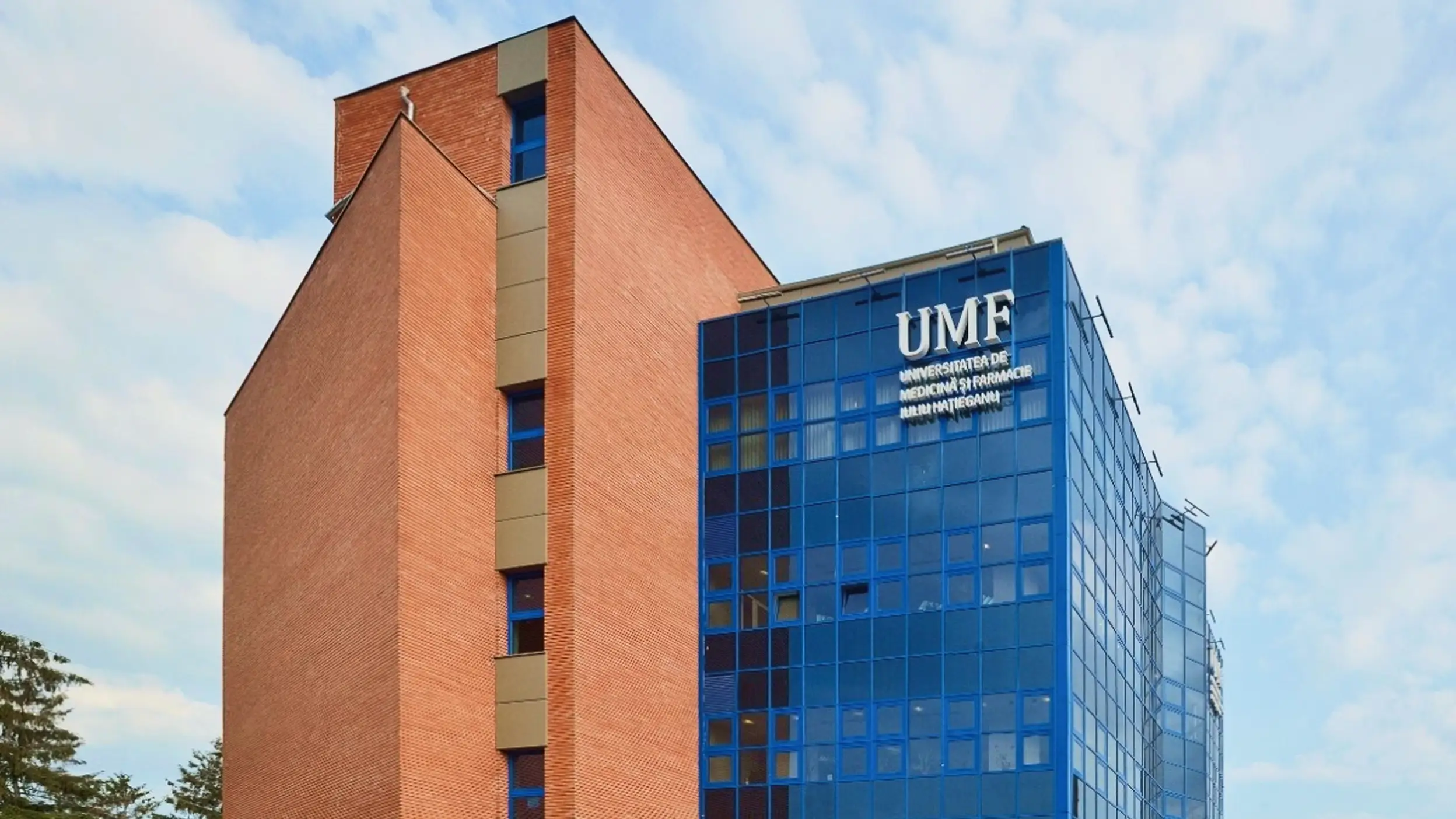
| Iuliu Hațieganu University of Medicine and Pharmacy | Cluj-Napoca | Medicine, Dentistry | 2025/26 tuition table: first-year Medicine and Dental Medicine EUR 10,000/year | International candidates are assessed by academic-performance and personal-achievement file evaluation; 2026 places are published by language |
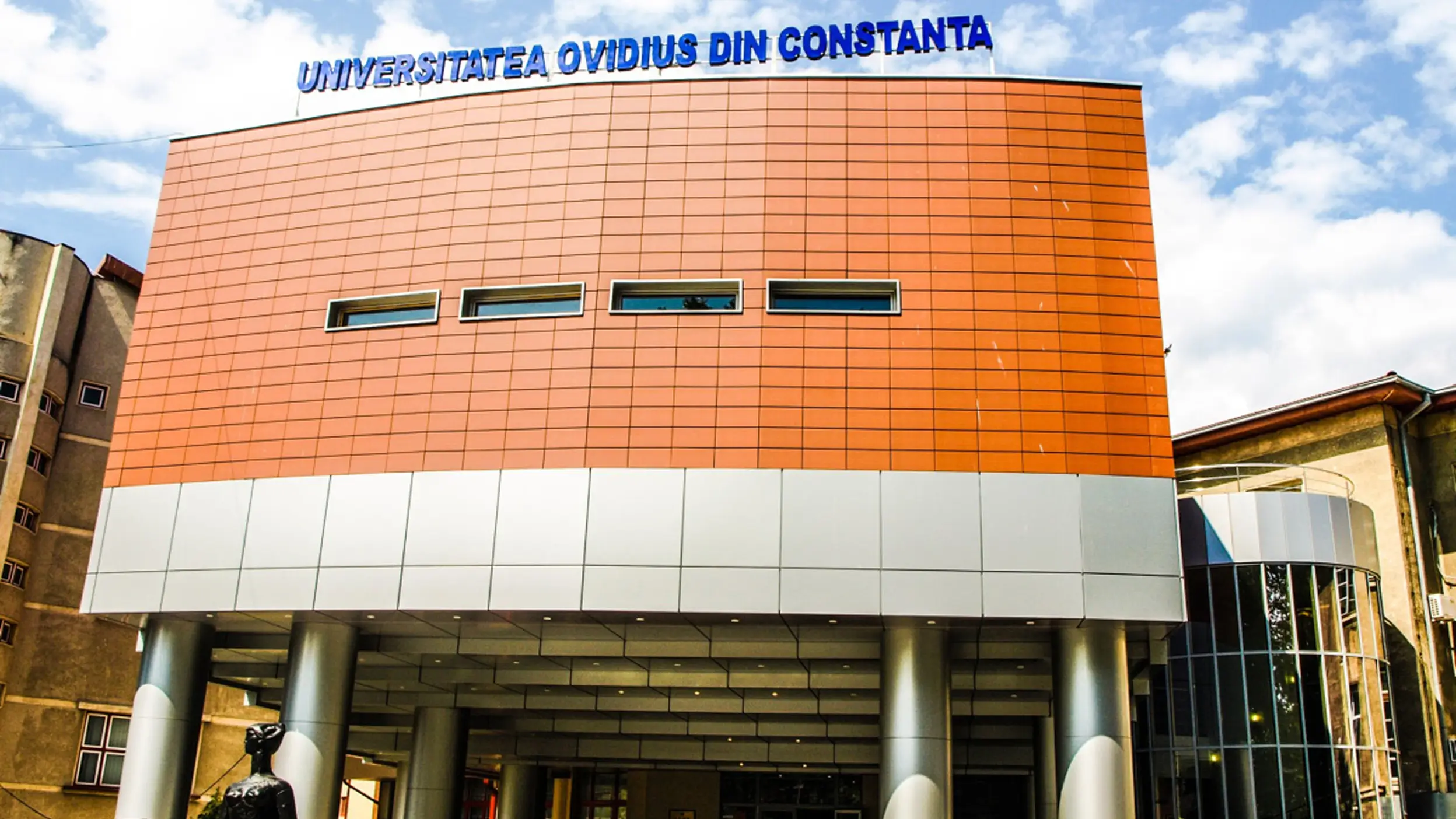
| Ovidius University Constanța | Constanța | Medicine, Dentistry | 2026/27 tuition file: Medicine in English EUR 8,000/year; Dental Medicine in English EUR 8,000/year | International admission is handled through Ovidius' admission portal; the official portal publishes 2026 admissions and fee documents |
| Banat University of Life Sciences, Faculty of Veterinary Medicine | Timișoara | Veterinary Medicine | 2025/26 English Veterinary Medicine: EUR 7,000/year | Six-year English Veterinary Medicine program; 2025 page listed file submission to the faculty and 45 vacant places |
| Dunărea de Jos University of Galați | Galați | Medicine | 2026/27 first-year fee page lists Medicine/Dental Medicine at RON 9,000; international applicants should confirm the final fee category | Medicine in English admission is by file competition; English proof is required unless an exemption applies |
Sources: Titu Medicine 2026 admission, Titu Dental Medicine 2026 admission, Carol Davila 2026/27 methodology, Carol Davila 2025/26 fees, Craiova English teaching modules, Iași international admission, Iași 2025/26 international fees, Oradea 2026 program list, Oradea international admission, UMFST admission calendar, UMFST admission procedure, UMFST study programs, Victor Babeș 2026 EU/EEA admission, Victor Babeș 2026 non-EU admission, Victor Babeș 2025/26 fees, Vasile Goldiș 2026/27 fees, Vasile Goldiș Medicine admission, Cluj 2026 international admission, Cluj 2025/26 tuition fees, Ovidius international admissions, Ovidius 2026/27 fees, Banat Veterinary Medicine admission, Banat tuition fee page, Galați Medicine in English conditions, Galați 2026/27 tuition fees.
Entry Requirements to Study Medicine in Romania
Romanian medical universities usually require completed secondary education that gives access to university studies in your home country. Applicants should expect passport or ID documents, school-leaving diploma, transcripts, translated or legalized copies where required, proof of English level where required, medical documents and application-fee proof.
The academic selection model changes by university. Titu Maiorescu publishes a Biology plus Chemistry/Physics entrance model for its English Medicine and Dental Medicine programs. Carol Davila uses an English interview and file-based scoring for its English programs. Craiova, Cluj, Târgu Mureș and Galați publish file-based or file-plus-interview admission models. Victor Babeș links MCQ materials for Medicine, Dentistry and Pharmacy admission.
This means preparation depends on your shortlist. A student applying to Titu or Victor Babeș needs targeted subject practice, while a student applying through file assessment needs clean documents, strong timing and careful eligibility checks.
How Medimentor Helps With Romania Applications
Medimentor helps Romania applicants prepare for Biology, Chemistry and other admission subjects where exams are required, compare university options, organize documents and understand application timing. We do not promise admission, and we do not treat every Romanian university the same: file-based applications and entrance-exam applications need different preparation.

Application Process and Student Visa
Applications are submitted through each university's official portal or process. A typical process is shortlisting programs, checking the citizenship fee category, preparing translated or legalized documents, paying the application or file-processing fee, completing an exam/interview/file assessment, confirming the place and completing recognition or letter-of-acceptance steps.
EU/EEA/Swiss students normally do not need a study visa but must handle residence registration after arrival. Non-EU students usually need a long-stay study visa and should expect the university and Romanian authorities to require proof of acceptance, tuition payment, valid documents, health insurance and financial means. Timelines can be tight, so the visa steps should be planned before choosing a late application window.
Tuition Fees and Living Costs in Romania
Tuition depends heavily on university, program, language and citizenship category. The official pages checked here show published English Medicine/Dentistry figures from around EUR 6,500 to EUR 16,500/year, with many public university programs clustering around EUR 8,000 to EUR 10,000/year. Some public fee pages publish RON categories, so applicants need to confirm whether that fee applies to their citizenship and admission model.
For living costs, Romania's official Study in Romania portal lists approximately EUR 600/month. Bucharest and Cluj-Napoca can be higher, especially for private rentals, while cities such as Craiova, Galați, Oradea and Târgu Mureș can be easier on monthly rent. Budget separately for translations, legalization, courier fees, application fees, residence paperwork, health insurance, flights, deposits and first-month setup costs.
Living-cost source: Study in Romania tuition and living costs.
Recognition, Licensing and Careers
Romania is an EU member state, but recognition is not something applicants should treat casually. Medicine, Dentistry, Pharmacy and Veterinary Medicine each have their own professional recognition process, and the rules can differ between the EU, UK and other destinations. Students should check whether the exact university and degree match the licensing rules in the country where they want to work.
For clinical careers, also check local-language expectations. English-taught programs may still require Romanian for patient communication during clinical training, and future licensing countries may require their own language exams or regulator assessments.
Student Life in Romania

Romania's biggest advantage is choice. Bucharest has the largest city environment and the broadest services, but it can be more expensive. Cluj-Napoca is a major student city with strong international demand. Timișoara and Iași are large university cities with established medical faculties, while Craiova, Târgu Mureș, Oradea, Arad, Constanța and Galați can offer different cost and lifestyle profiles.
The right choice depends on more than tuition. Compare clinical environment, admission model, teaching language, city size, cost of living, travel access and how well the degree fits your target licensing country.
Frequently Asked Questions