Study Dentistry in Europe in English
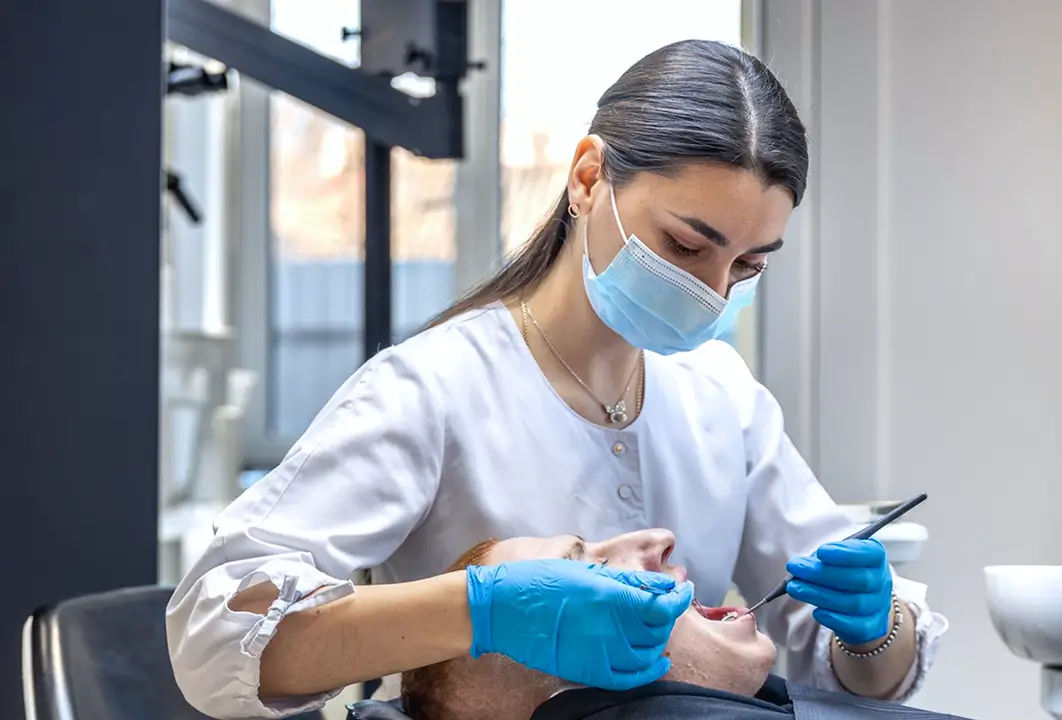
Studying Dentistry in Europe in English can give students more university options, international cohorts and practical training from early in the degree. The key is choosing a program that fits your science background, exam readiness, budget, clinical-training expectations and the country where you want to practise.
This guide compares Hungary, Czechia, Slovakia and Romania for English-taught Dentistry and Dental Medicine. Start here for the big picture, then open the country and university pages for official fees, deadlines, seats and entrance-exam details.
Dentistry in Europe at a glance
Compare where to study Dentistry in English
Country choice affects degree duration, exam subjects, tuition currency, patient-contact language, city life and the recognition checks you should complete before applying.








What Dentistry applicants usually need
Most English-taught Dentistry programs ask for a strong secondary-school science background, proof of English ability and an admissions process that checks whether the applicant is ready for biomedical science and practical dental training.
Science readiness
Biology and Chemistry are the most common subjects. Some faculties also test Physics or medical English.
Documents
Expect school certificates, transcripts, passport or ID, application forms and sometimes health or vaccination files.
Clinical fit
Dental schools may use interviews or file checks to assess motivation, manual work awareness and communication skills.
Timing
Dental cohorts can be smaller than Medicine cohorts, so exam preparation and document timing matter.
Plan for tuition, materials and living costs
Dentistry tuition varies by country and currency. Add housing, food, travel, application fees, recognition fees, exam fees, visa or residence costs and dental materials before deciding which option fits your budget.
| Country | Dentistry universities to compare | Tuition pattern | Admission model | Guide |
|---|---|---|---|---|
| Hungary | Semmelweis, Pécs, Szeged, Debrecen | Dentistry fees are usually published by the university in USD or EUR and can include extra dental-material costs. | Biology and Chemistry entrance exams are common, with university-specific oral or interview steps. | Open guide |
| Czechia | Charles faculties, Masaryk, Palacký | Dentistry tuition is usually published in CZK or EUR and varies by faculty and intake. | Written exams commonly include Biology, Chemistry and Physics or a related science component. | Open guide |
| Slovakia | UPJŠ, Comenius | Slovak Dentistry tuition is usually published in EUR, with exact figures differing by faculty. | The main Slovak Dentistry programs in this guide rely on Biology and Chemistry entrance exams. | Open guide |
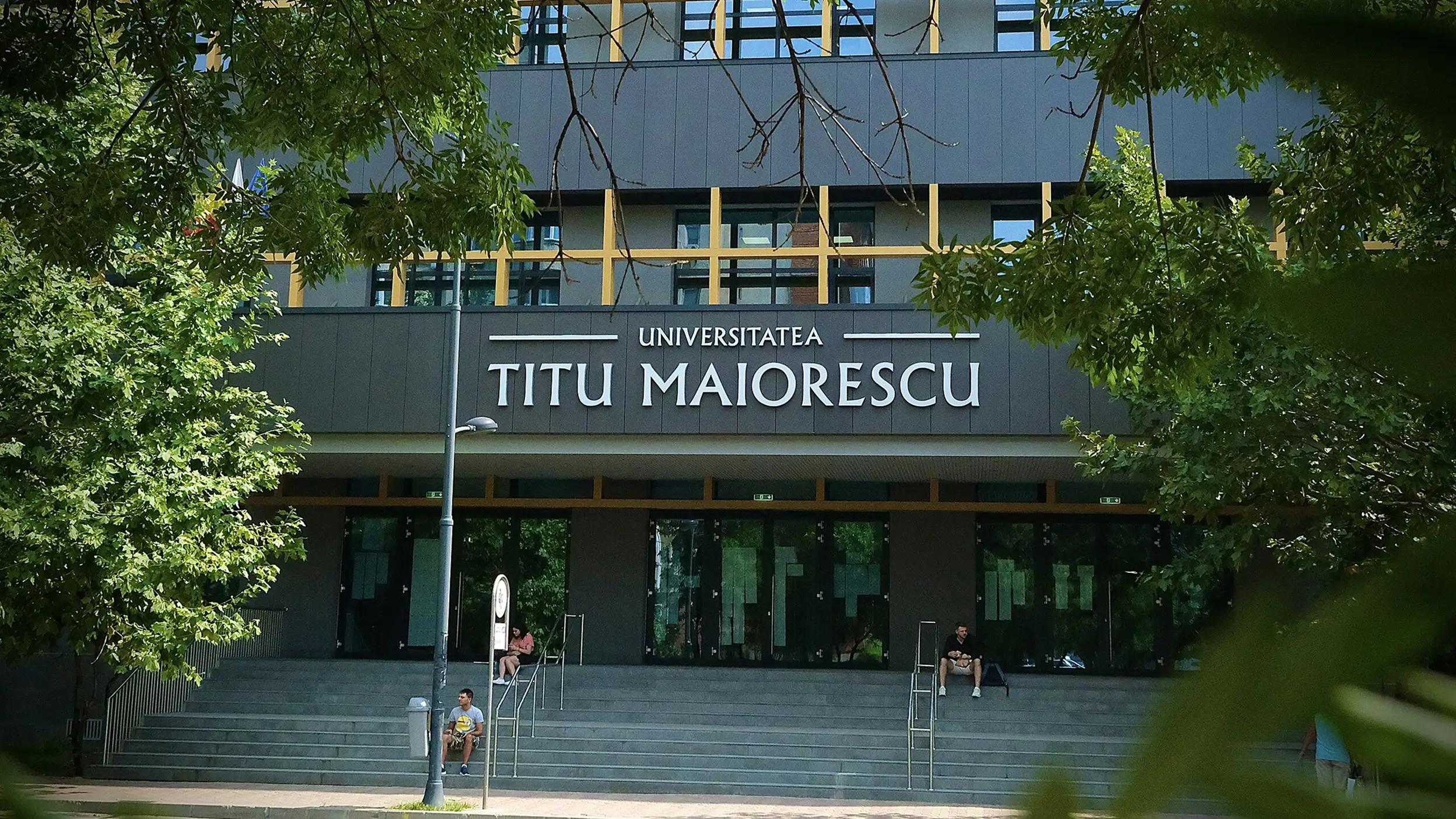
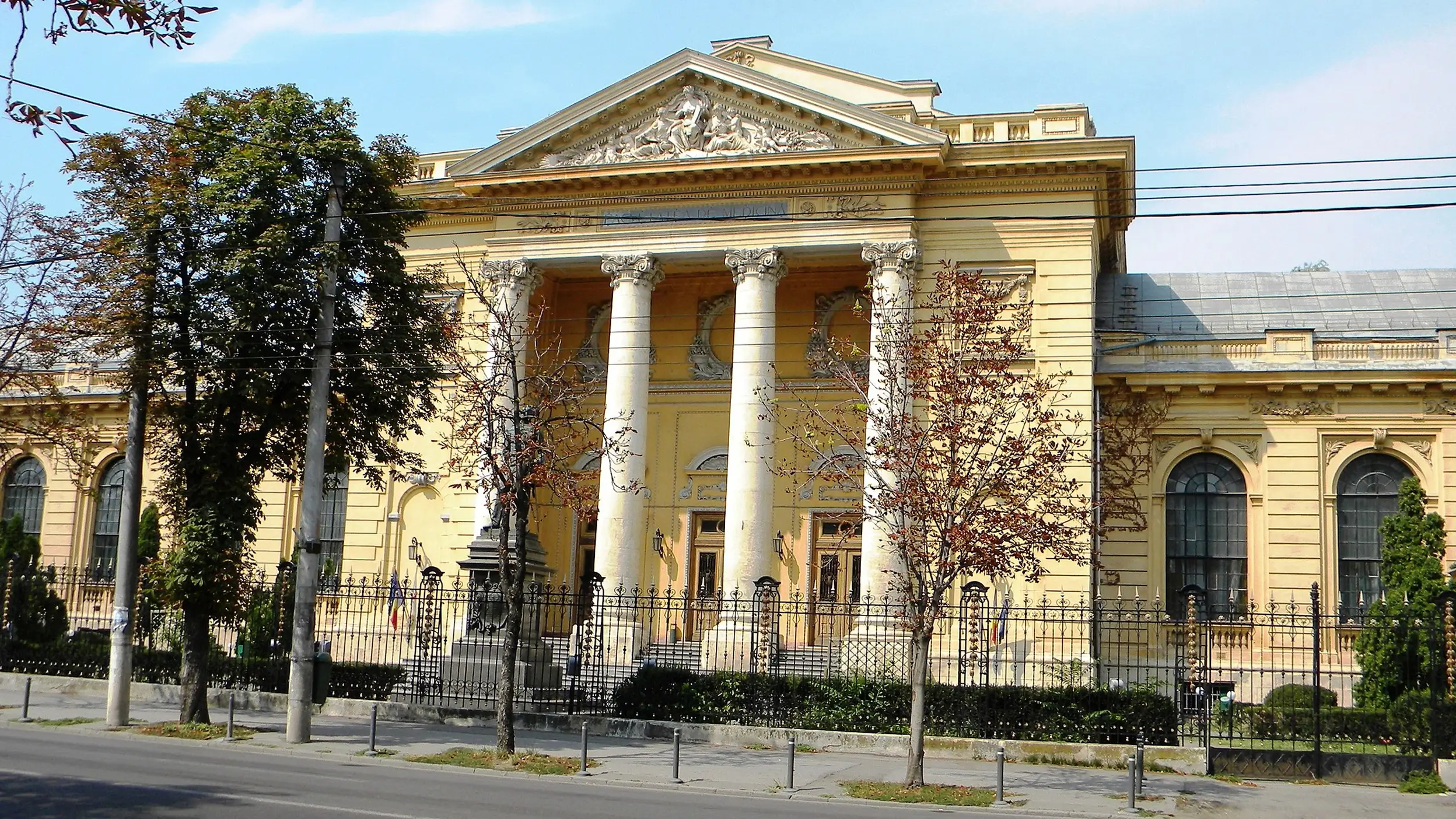
| Romania | Carol Davila, Titu Maiorescu, Grigore T. Popa, Victor Babeș and others | Romanian Dentistry tuition is usually published in EUR and differs by university and applicant category. | Many universities use file evaluation, interviews or category-specific checks; some use science entrance exams. | Open guide |
Check the dental regulator before choosing a program
Dentistry is a regulated profession. Recognition depends on the university, qualification, clinical training, language rules and the country where you want to practise after graduation. Check these rules before you apply.
EU recognition
EU dental qualifications can qualify for automatic recognition when the qualification meets Directive 2005/36/EC requirements and is listed correctly for dental practitioners.
UK registration
The GDC checks whether a qualification is recognised. If it is not listed, overseas-qualified dentists usually need to pass the Overseas Registration Exam before full registration.
Other destinations
Ireland, Canada, Gulf countries and other destinations can require their own registration exams, language proof, supervised practice or local authority checks.
Useful official checks: EU automatic recognition, EU regulated professions database, and GDC overseas-qualified dentist registration.
Explore Dentistry university guides
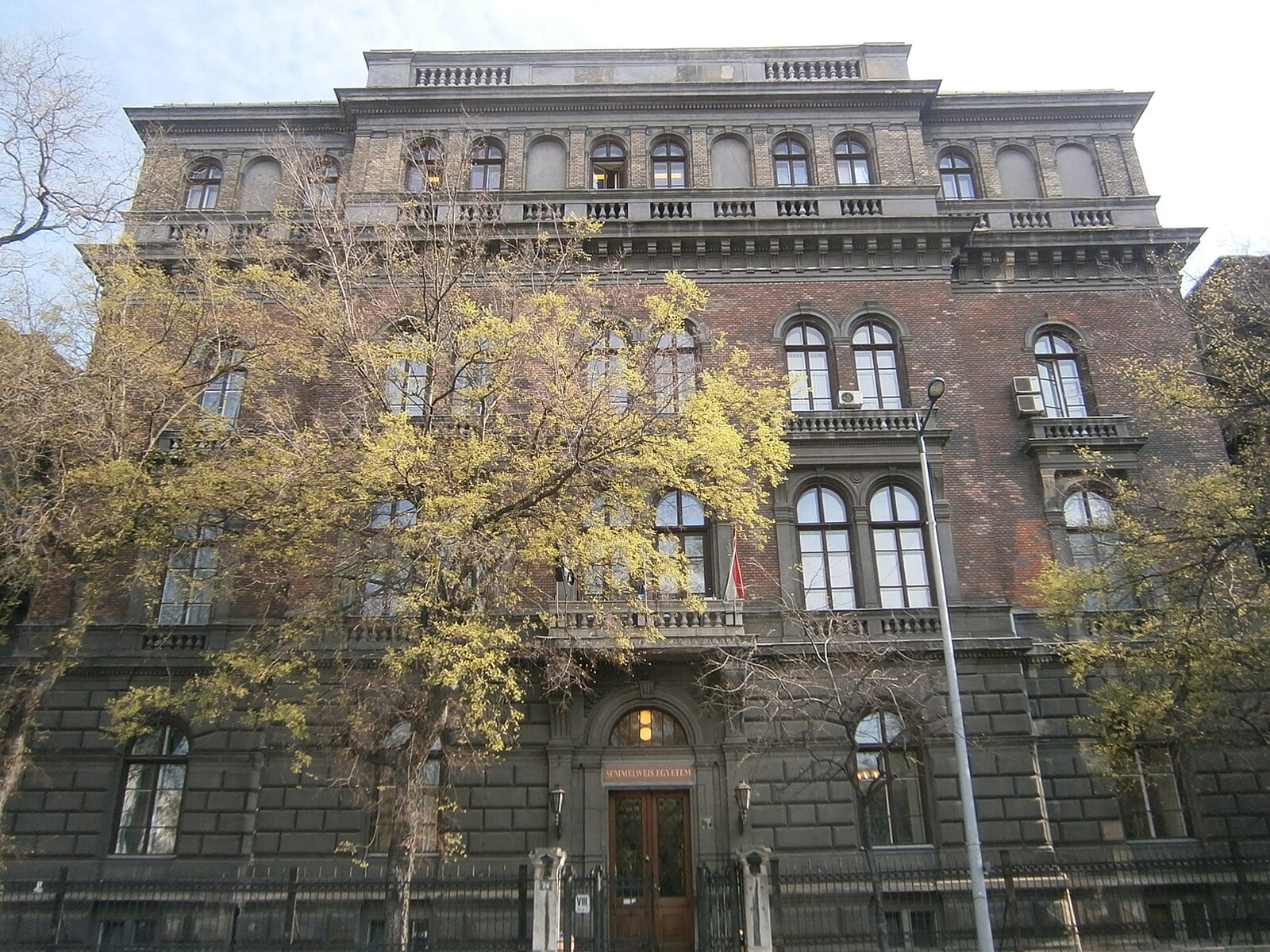
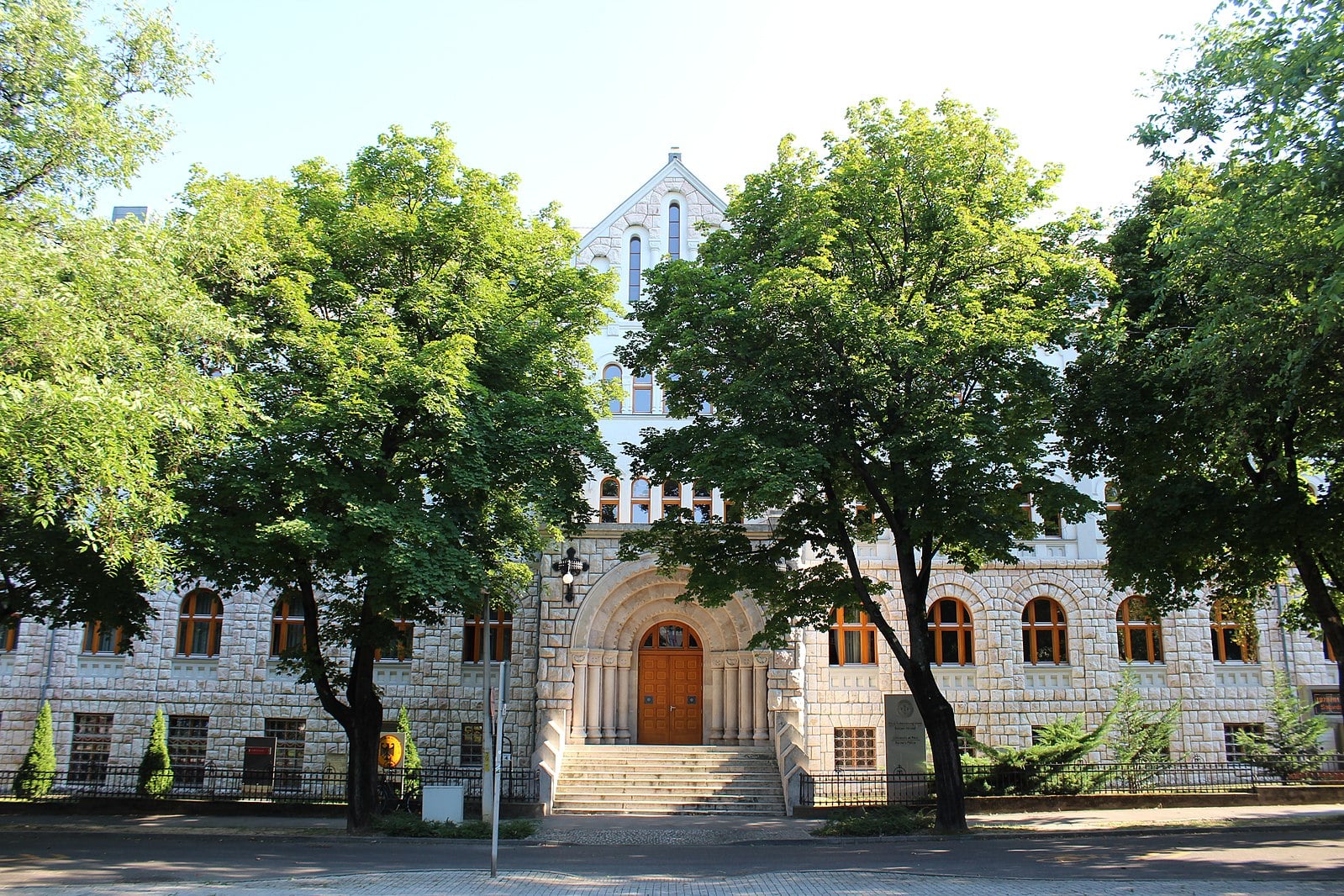
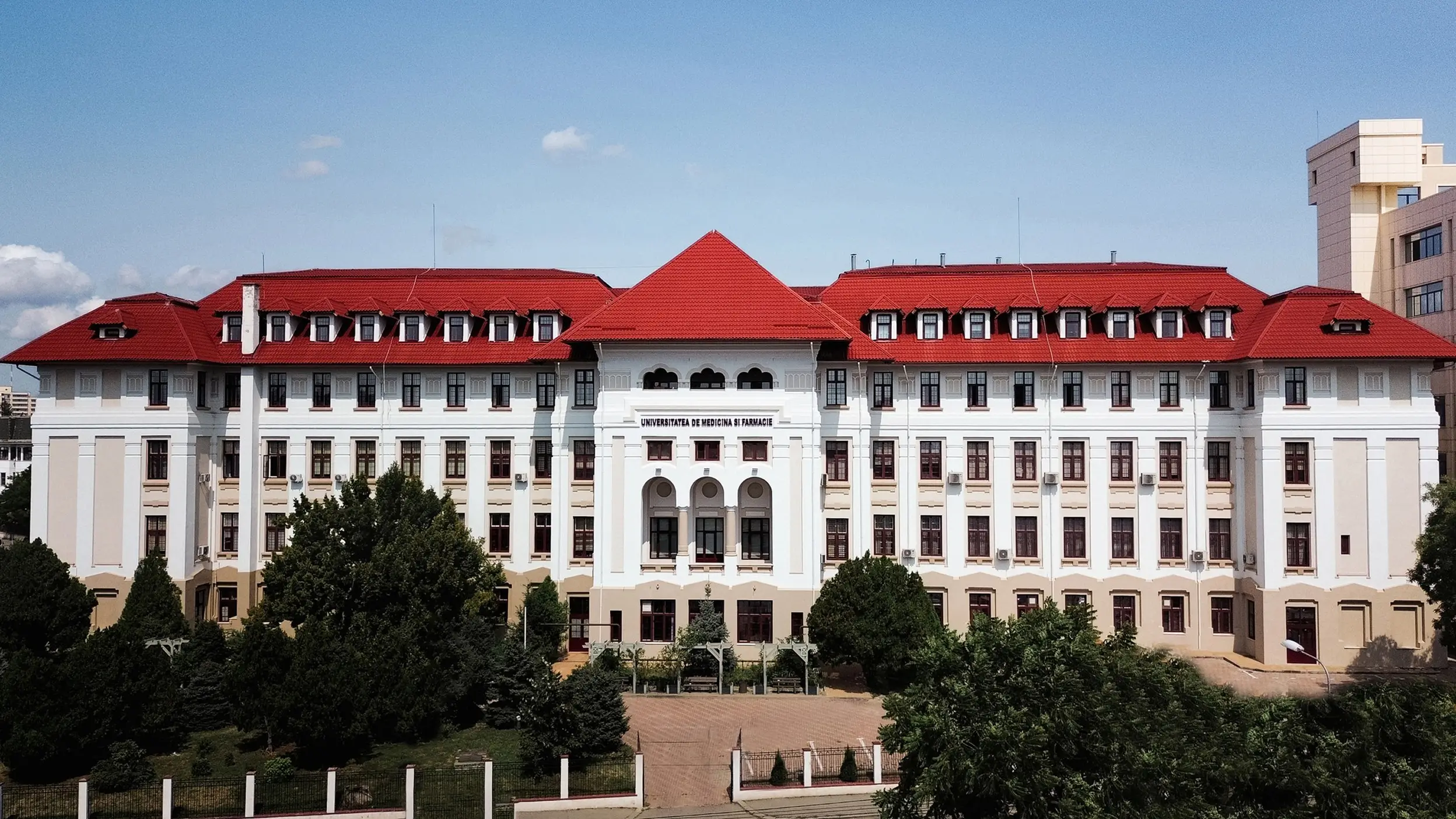
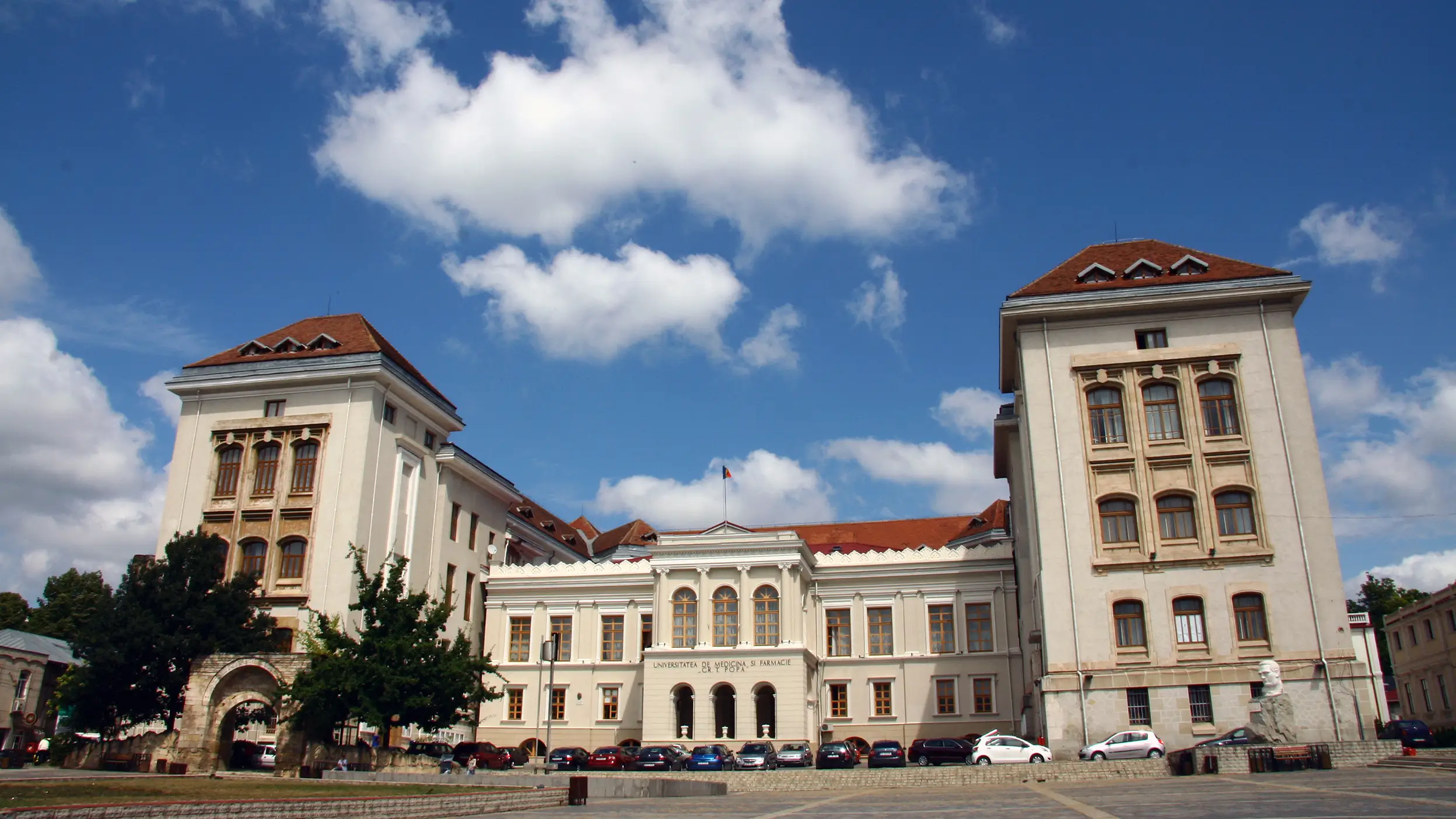
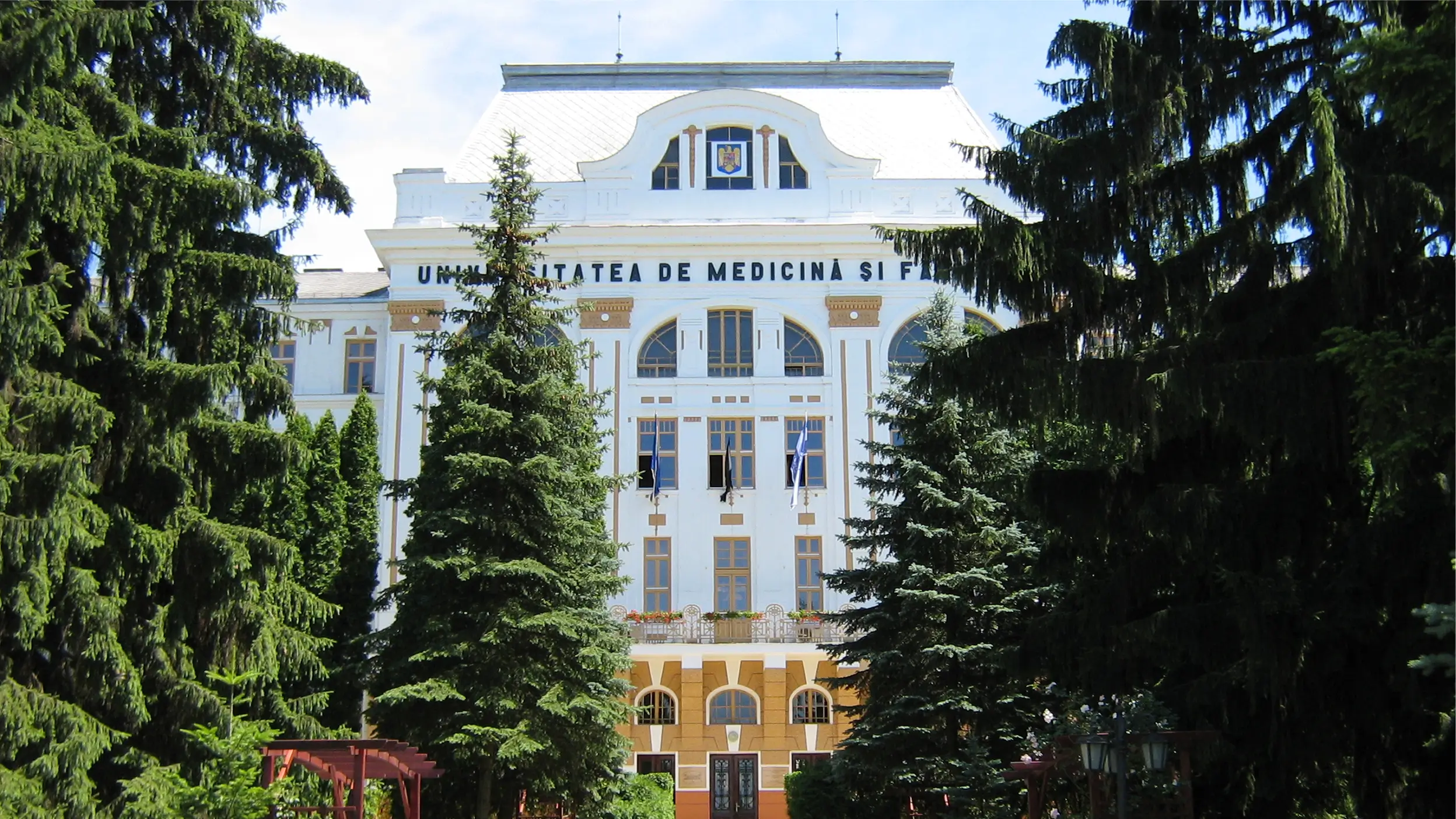
These university guides cover entrance exams, tuition, curriculum, deadlines and Medimentor preparation support for individual Dentistry programs.















Prepare for the Dentistry entrance exam
Medimentor helps Dentistry applicants prepare for Biology and Chemistry entrance exams, organise their study plan, practise question formats and understand the application process before deadlines and exam dates arrive.
See how Medimentor helps you prepare
See the question bank, flashcards, AI study assistant and country orientation tools.
Dentistry in Europe questions