Pharmacy in English at Medical University of Warsaw
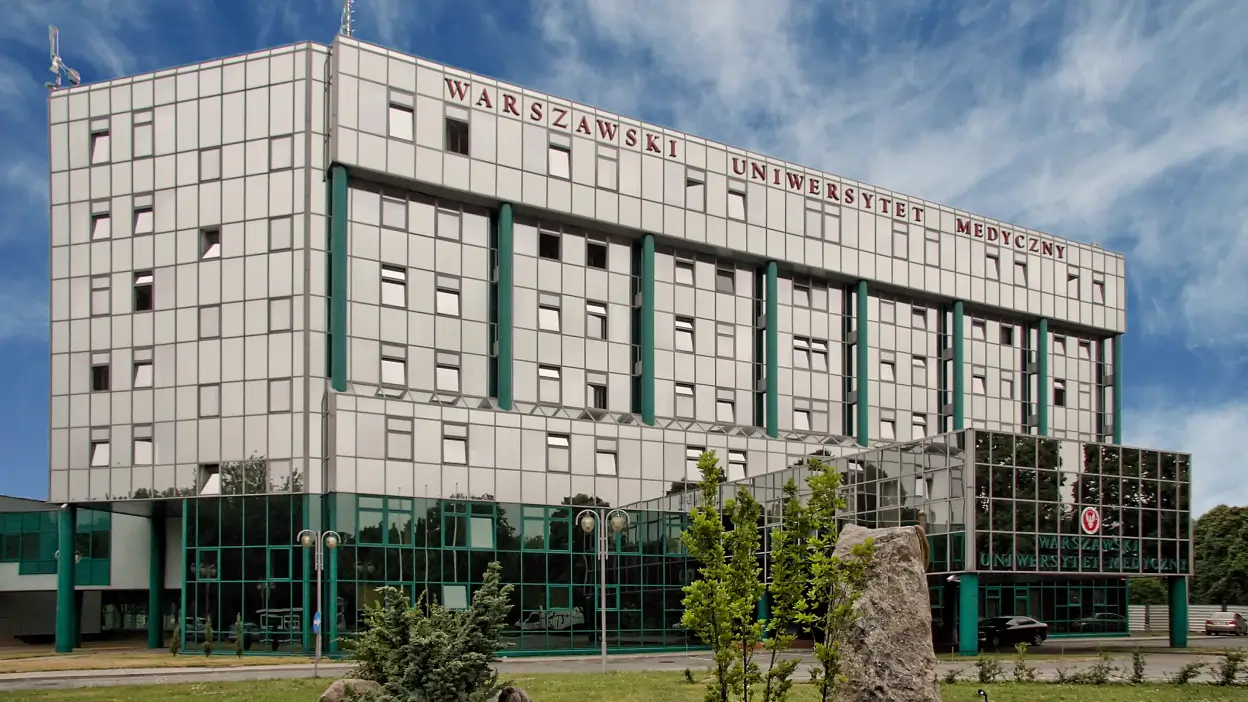
Pharmacy program overview
Best fit
Applicants who want a large capital-city medical university, a clearly published Medicine competency test and strong access to Warsaw hospitals, research clubs and student organizations.
Degree outcome
The listed outcome is Master of Pharmacy after 5.5 years. Always confirm the final title and transcript wording on the official university page.
Recognition note
The degree is issued in Poland. Licensing still depends on the country where you want to work after graduation.
Watch out for
WUM is not the cheapest Poland option, and the Medicine competency test is not just Biology and Chemistry memorization. It also checks decision making and problem solving. Pharmacy uses a different faculty process, so do not assume the Medicine/Dentistry rules apply to Pharmacy.
City fit
Warsaw is Poland's largest city, so students get the widest city life and transport network in this Poland list, but also a higher monthly budget. WUM says the Faculty of Medicine has 5 teaching hospitals, 3 campuses, over 200 research clubs across the university and more than 100 AZS WUM sports sections.
Pharmacy admissions at WUM Warsaw
Check schedule
Use the Faculty of Pharmacy candidate pages for the Pharmacy schedule. Do not rely on Medicine or Dentistry deadlines for Pharmacy.
Prepare subject results
The requirements page focuses on Biology, Chemistry and Mathematics or Physics results, with different conversion rules by certificate type.
Confirm language level
The Faculty of Pharmacy lists IELTS 6.0, TOEFL 90, CEFR B2, TOEIC 700 or accepted equivalents for candidates who need English proof.
Verify payment
The faculty fee page lists a EUR 20 application fee and Pharmacy tuition by year, but applicants should verify the latest payment instructions before paying.
Documents
- ORS application form and recent photo.
- High-school diploma or predicted grades, plus transcript or subject results where applicable.
- Passport or national ID scan.
- English-language certificate or proof accepted by WUM, unless exempt.
- Legalization, apostille, translations and proof that the diploma grants access to higher education where required.
- Original documents after qualification, submitted by the deadline set by the Admission Board.
Application timing
Timelines depend on the university, applicant category and intake. Check the official admission page for the target year before booking an exam.
Pharmacy entrance exam
Biology
Biology is one of the most common medical-admission subjects and should be prepared from the official syllabus.
Chemistry
Chemistry is common for Medicine, Dentistry and Pharmacy. Veterinary and Pre-Med programs can differ by university.
English
English may be tested directly or checked through certificates and diagnostic exams depending on applicant background.
Tuition and budget
| Cost item | Planning figure | Notes |
|---|---|---|
| Tuition | Year 1: EUR 5,700; full course: EUR 46,000 | Use the official university page for final intake-year amount and payment schedule. |
| Living costs in Warsaw | EUR 800-1,300 / month | Varies by housing, lifestyle, exchange rates and how early accommodation is booked. |
| Application and exam fees | EUR 20 | The Faculty of Pharmacy fee page lists a EUR 20 non-refundable application fee and tuition by study year. Applicants should verify the current payment page before sending money. |
| Document costs | Variable | Budget for translation, legalization, recognition documents, travel, insurance and first housing deposits. |
Pharmacy curriculum and recognition
Science foundations
Expect early work in Biology, Chemistry and basic medical or health-science subjects.
Core program modules
The middle years move into program-specific subjects, labs, seminars and practical training.
Clinical or practical work
Medicine, Dentistry, Pharmacy and Veterinary Medicine each add practical training in different settings.
Licensing check
Before applying, verify recognition in the country where you want to work after graduation.
How Medimentor helps
Exam prep
Practise the Biology, Chemistry and English topics that are most common in Poland admissions.
English terminology
Review medical and science vocabulary so the exam language is less of a barrier.
Application planning
Keep documents, deadlines, fees and university choices visible while you prepare.
FAQ
Sources
- WUM Medicine program
- WUM Medicine admission
- WUM Medicine competency test
- WUM Medicine admission and tuition fees
- WUM 2026/2027 tuition appendix
- WUM Dentistry admissions
- WUM Dentistry fees
- WUM Pharmacy requirements
- WUM Pharmacy fees
- WUM candidate life and facilities
- WUM life on campus

Other Pharmacy options in Poland
Compare other Poland universities that offer Pharmacy or closely related English-taught programs.
Other Pharmacy options across Europe
Compare English-taught Pharmacy universities outside Poland first. Poland universities appear last because those options are already listed above.









%22%2F%3E%0A%20%20%20%20%20%20%20%20%20%20%20%20%3Ccircle%20cx%3D%221270%22%20cy%3D%22190%22%20r%3D%22270%22%20fill%3D%22%23ffffff%22%20opacity%3D%220.17%22%2F%3E%0A%20%20%20%20%20%20%20%20%20%20%20%20%3Ccircle%20cx%3D%221385%22%20cy%3D%22735%22%20r%3D%22350%22%20fill%3D%22%23ffffff%22%20opacity%3D%220.13%22%2F%3E%0A%20%20%20%20%20%20%20%20%20%20%20%20%3Cpath%20d%3D%22M0%20650%20C250%20570%20410%20705%20670%20625%20C930%20548%201080%20650%201300%20570%20C1460%20510%201535%20526%201600%20488%20L1600%20900%20L0%20900%20Z%22%20fill%3D%22%23ffffff%22%20opacity%3D%220.2%22%2F%3E%0A%20%20%20%20%20%20%20%20%20%20%20%20%3Cpath%20d%3D%22M0%20720%20C270%20635%20470%20760%20775%20695%20C990%20650%201190%20720%201600%20615%20L1600%20900%20L0%20900%20Z%22%20fill%3D%22%23ffffff%22%20opacity%3D%220.24%22%2F%3E%0A%20%20%20%20%20%20%20%20%20%20%20%20%3Crect%20x%3D%22110%22%20y%3D%22120%22%20width%3D%221020%22%20height%3D%22350%22%20rx%3D%2224%22%20fill%3D%22url(%23panel)%22%2F%3E%0A%20%20%20%20%20%20%20%20%20%20%20%20%3Ctext%20x%3D%22170%22%20y%3D%22230%22%20font-family%3D%22Arial%2C%20Helvetica%2C%20sans-serif%22%20font-size%3D%2274%22%20font-weight%3D%22800%22%20fill%3D%22%236f0f0f%22%3EStudy%20in%20Bydgoszcz%3C%2Ftext%3E%0A%20%20%20%20%20%20%20%20%20%20%20%20%3Ctext%20x%3D%22172%22%20y%3D%22316%22%20font-family%3D%22Arial%2C%20Helvetica%2C%20sans-serif%22%20font-size%3D%2240%22%20font-weight%3D%22700%22%20fill%3D%22%23a51f1f%22%3ENCU%20Collegium%20Medicum%3C%2Ftext%3E%0A%20%20%20%20%20%20%20%20%20%20%20%20%3Ctext%20x%3D%22172%22%20y%3D%22386%22%20font-family%3D%22Arial%2C%20Helvetica%2C%20sans-serif%22%20font-size%3D%2236%22%20font-weight%3D%22700%22%20fill%3D%22%231f4d3a%22%3EPoland%20%F0%9F%87%B5%F0%9F%87%B1%3C%2Ftext%3E%0A%20%20%20%20%20%20%20%20%3C%2Fsvg%3E%0A%20%20%20%20)


%22%2F%3E%0A%20%20%20%20%20%20%20%20%20%20%20%20%3Ccircle%20cx%3D%221270%22%20cy%3D%22190%22%20r%3D%22270%22%20fill%3D%22%23ffffff%22%20opacity%3D%220.17%22%2F%3E%0A%20%20%20%20%20%20%20%20%20%20%20%20%3Ccircle%20cx%3D%221385%22%20cy%3D%22735%22%20r%3D%22350%22%20fill%3D%22%23ffffff%22%20opacity%3D%220.13%22%2F%3E%0A%20%20%20%20%20%20%20%20%20%20%20%20%3Cpath%20d%3D%22M0%20650%20C250%20570%20410%20705%20670%20625%20C930%20548%201080%20650%201300%20570%20C1460%20510%201535%20526%201600%20488%20L1600%20900%20L0%20900%20Z%22%20fill%3D%22%23ffffff%22%20opacity%3D%220.2%22%2F%3E%0A%20%20%20%20%20%20%20%20%20%20%20%20%3Cpath%20d%3D%22M0%20720%20C270%20635%20470%20760%20775%20695%20C990%20650%201190%20720%201600%20615%20L1600%20900%20L0%20900%20Z%22%20fill%3D%22%23ffffff%22%20opacity%3D%220.24%22%2F%3E%0A%20%20%20%20%20%20%20%20%20%20%20%20%3Crect%20x%3D%22110%22%20y%3D%22120%22%20width%3D%221020%22%20height%3D%22350%22%20rx%3D%2224%22%20fill%3D%22url(%23panel)%22%2F%3E%0A%20%20%20%20%20%20%20%20%20%20%20%20%3Ctext%20x%3D%22170%22%20y%3D%22230%22%20font-family%3D%22Arial%2C%20Helvetica%2C%20sans-serif%22%20font-size%3D%2274%22%20font-weight%3D%22800%22%20fill%3D%22%236f0f0f%22%3EStudy%20in%20Warsaw%3C%2Ftext%3E%0A%20%20%20%20%20%20%20%20%20%20%20%20%3Ctext%20x%3D%22172%22%20y%3D%22316%22%20font-family%3D%22Arial%2C%20Helvetica%2C%20sans-serif%22%20font-size%3D%2240%22%20font-weight%3D%22700%22%20fill%3D%22%23a51f1f%22%3EVIZJA%20Warsaw%3C%2Ftext%3E%0A%20%20%20%20%20%20%20%20%20%20%20%20%3Ctext%20x%3D%22172%22%20y%3D%22386%22%20font-family%3D%22Arial%2C%20Helvetica%2C%20sans-serif%22%20font-size%3D%2236%22%20font-weight%3D%22700%22%20fill%3D%22%231f4d3a%22%3EPoland%20%F0%9F%87%B5%F0%9F%87%B1%3C%2Ftext%3E%0A%20%20%20%20%20%20%20%20%3C%2Fsvg%3E%0A%20%20%20%20)

Other English-taught programs at Medical University of Warsaw